Thursday Night’s Anticipated Matchup: A Star-Crossed Event
Thursday night was poised to be a showcase for the NBA’s brightest young talents, an electrifying matchup highlighting emerging superstars. Fans eagerly anticipated a thrilling game featuring the Minnesota Timberwolves’ guard Anthony Edwards versus the Detroit Pistons’ point guard Cade Cunningham. Both players symbolize the future of the league, with Edwards’ dynamic presence and Cunningham’s poise leading their respective teams into what was expected to be a nail-biting playoff battle. Yet, for fans, the reality proved underwhelming.
Injury Woes: A Cautionary Tale
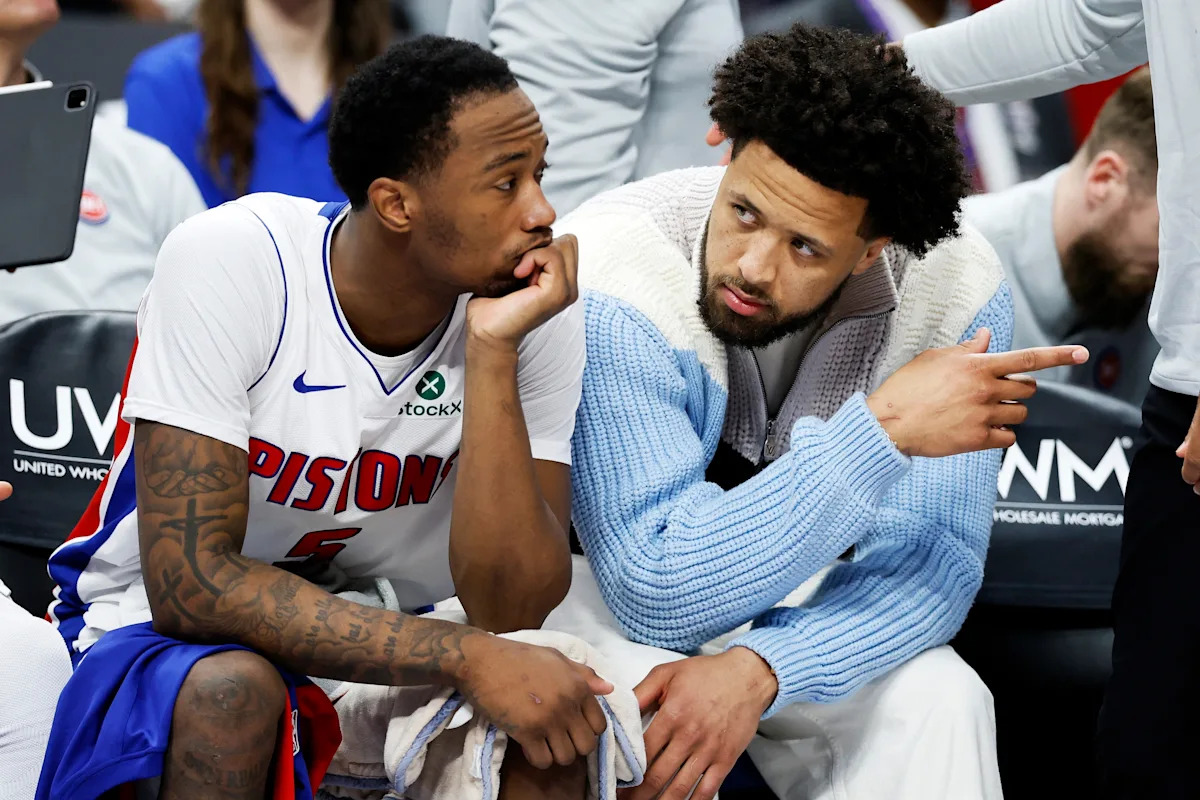
Unfortunately, what was meant to be a marquee event turned into another example of how injuries can mar a basketball season. Cade Cunningham was ruled out with a collapsed lung, an injury stemming from a disastrous March game against the Washington Wizards. On the other side, Anthony Edwards was sidelined due to knee pain and an illness. The absence of these star players not only disappointed fans but also left the NBA to find alternative faces to showcase. In their stead, Jalen Duren, a rising talent, stepped up, yet he lacked the marketing clout of established stars.
A Broader Issue: The Inconsistent Star Availability
This unfortunate scenario highlights a troubling trend within the NBA: the lack of star-player availability has become increasingly common. The league is currently marred by injuries that hinder the very essence of its appeal. Fans tune in for the excitement of watching their favorite players, yet too often come away disappointed when the marquee names are not on the court.
The Importance of Star Power in the NBA
In analyzing the state of the NBA, one can’t overlook the crucial role that star power plays in keeping fans engaged. The appeal of the game is heavily reliant on the personalities involved; when stars are missing, the entire experience diminishes. This season, research showed that the percentage of star players available during national broadcasts has significantly dropped. Particularly, star availability plummeted from an estimated 80% last season to around 60% this year.
The Data Behind the Diminished Experience
Using data compiled from national broadcasts, it became evident how dire the situation is for the NBA. A Yahoo Sports study has illustrated that only about 32.7% of games scheduled featured both teams with their full complement of stars. Out of 220 national TV games, only 72 showcased all stars on both rosters. This glaring deficiency speaks volumes about the challenges hurting league marketing and fan engagement.
The Impact of Star Absence on Fan Experience
The repercussions of star-player absences extend far beyond disappointing individual games. In the highly competitive landscape of sports, fan loyalty can waver, and increasingly, consumers may turn away entirely if their favorite players aren’t consistently visible on-screen. In an age when digital media Bombards fans from various platforms, maintaining interest hinges on showcasing premier talent regularly.
The Role of Broader Media Partnerships
The NBA’s recent broadcasting partnerships, valued at approximately $76 billion, aimed to deepen fan engagement through expanded availability of games. Yet, fans tuning in via streaming platforms such as Amazon Prime and NBC/Peacock have often faced stark realizations when they discover their favorite stars are absent. This inconsistency in star availability raises questions regarding the long-term health of fan loyalty and engagement.
The Potential for Change: Rethinking the Regular Season
So, what can the NBA do to reverse this troubling trend? One practical solution could be revisiting the league’s scheduling. Eliminating back-to-back games could allow players more time to recuperate, theoretically reducing the risk of injuries. A proposed 58-game schedule may allow athletes to maintain high levels of performance and engagement, ensuring fans consistently see their favorite stars.
Building Trust with the Audience
To heal the rift caused by star absences, the NBA must work to rebuild trust with its audience. That trust was built during eras where marquee players engaged in nearly every game, perpetuating a sense of reliability that today’s fans desperately crave. The league could draw on strategies from past marketing tactics, perhaps reviving campaigns that celebrate resilience and consistent performance among top-tier talent.
In Conclusion: The Future of the NBA’s Star Power
Presently, it feels as if the NBA is facing an identity crisis, where it often feels more like “The NBA: Where a Missing Star Happens.” In contrast, efforts should be channeled towards revitalizing its vibrant community through star players and their performances. By catering to both the players’ health needs and fans’ desires for exciting experiences, the NBA can work towards creating a sustainable model that respects their athletes while keeping fans engaged.
Tags:
- NBA
- Anthony Edwards
- Cade Cunningham
- Basketball Injuries
- Star Players
- National Broadcasting
- Sports Marketing
- Fan Engagement
- NBA Scheduling
- Player Availability
In closing, as the league navigates these challenges, it is imperative for both stakeholders and fans to stay attentive to the vital role that star players have, not just in driving game revenues but also in fostering a cohesive community around the sport.