Playing Without Key Players: The Rise of Tanking in the NBA
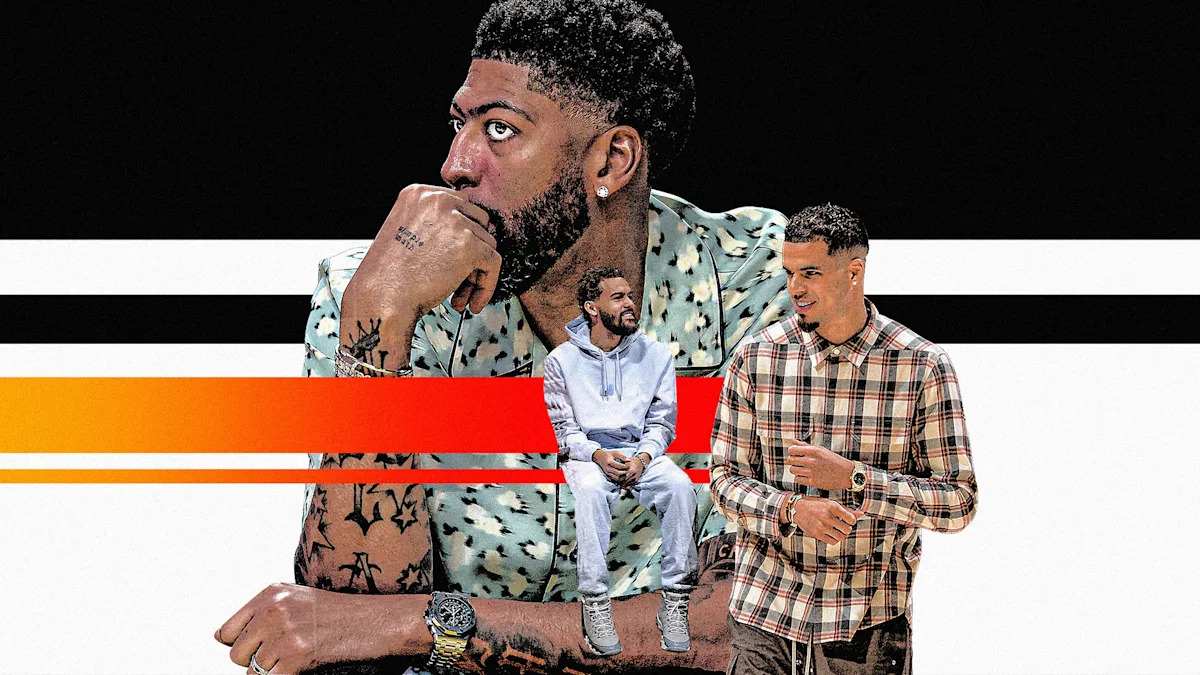
Playing without Trae Young and Anthony Davis, the Washington Wizards were on the verge of a breakthrough. On a recent Friday night, the struggling Wizards, with a dismal record of 17-55, found themselves leading the Golden State Warriors by two points as they entered the crucial fourth quarter. This moment marked a significant opportunity for the youthful Wizards, led by promising player Alex Sarr, against a Warriors team with playoff aspirations.
However, the hard truth soon became evident: closing out games without your star players is incredibly challenging. In an unexpected twist, Wizards head coach Brian Keefe opted not to reintroduce his key starters during the final stretch of the game. The result? A heartbreaking five-point loss that further underscored a bizarre trend developing in the NBA—one that suggests a significant divide between teams with serious playoff ambitions and those seemingly strategizing to lose.
The A-League and the B-League
This season, the NBA has essentially split into two distinct leagues: the A-League, composed of 21 teams vying for victory, and the B-League, comprised of nine teams actively trying to lose. It’s not simply a casual observation; astute fans and analysts have noticed that teams appear to be competing in opposite directions. This realization has profound implications for both the structure of the league and the integrity of competition.
The dissonance between teams aiming to win and those seemingly orchestrating their own defeat has escalated. Notably, the Wizards’ recent game against the Warriors exemplified this dynamic. Coach Brian Keefe’s decisions—specifically allowing his starting center to foul out in a crucial moment and then benching other starters—suggested a clear intent to facilitate a loss.
Recent Developments in Tanking
The trend of tanking is a sensitive topic within the league. In February, the NBA took a rare step by fining both the Utah Jazz and the Indiana Pacers for failing to field competitive lineups. Despite these punitive measures, the league has largely refrained from enforcing stricter consequences on teams that continue to prioritize securing better draft positions over winning games. The Wizards’ peculiar substitution patterns during their matchup epitomized this growing trend, raising questions about the integrity of competitive fairness in the league.
Amid this concerning backdrop, the Wizards’ coaching staff claimed that players had reached minute limits established by medical staff. Yet, such reasoning becomes convoluted when players who had previously been more heavily utilized suddenly found themselves relegated to the bench. Subsequently, the signs of tanking were glaringly evident, with the Wizards appearing to intentionally skew their chances of winning in order to safeguard their first-round draft pick.
The Impact of the Draft Lottery
With the advent of the NBA’s draft lottery, teams at the bottom of the standings are incentivized to lose games. This season, teams like the Washington Wizards are acutely aware that securing a bottom-four record is paramount to retaining their draft pick. The scenario most teams want to avoid is relinquishing a valuable first-round pick to another franchise, which is precisely the risk the Wizards face if they fail to maintain a top-eight record.
So far this season, nine teams have feigned competitiveness, only to ultimately shift gears toward embracing the tanking strategy. The situation has become dire enough that the disparity between the top and bottom teams in the league has never been more pronounced.
The Rise of The B-League
For a considerable stretch, the Wizards had not bested any A-League team since early February, illustrating their current standing within the newly dubbed B-League. What makes this development even more concerning is the aggregate performance trends of other B-League teams against their A-League counterparts.
The records are stark:
- Washington Wizards: 0-20 in their last 20 games against A-League teams.
- Brooklyn Nets: 1-29 in their last 30.
- Sacramento Kings: 1-23 in their last 24.
- Indiana Pacers: 2-12 in their last 14.
- Utah Jazz: 1-14 in their last 15.
- Memphis Grizzlies: 1-17 in their last 18.
- Dallas Mavericks: 2-23 in their last 25.
- Milwaukee Bucks: 1-12 in their last 13.
- Chicago Bulls: 3-17 in their last 20.
These numbers paint a dire picture of the state of the NBA. The bottom-tier teams are essentially forming a mini-league, fostering a reality where half the league is unwilling or unable to compete meaningfully.
Understanding the Increasing Gap
There is more to this divide than meets the eye. With a substantial number of teams voluntarily opting out of competition, it begs the question: Is this becoming the new normal in the NBA?
The separation in performance is apparent. Even though the format of the league showcases all teams during the standings, the stark reality is that there is a growing gulf between postseason contendents and those aiming for ping-pong balls in the draft lottery. The gap between the playoffs and non-playoff teams stands at a staggering 20.5 games—essentially double the previous record gap since the playoff format was established in 1984.
Moreover, this season has amplified the trends seen in previous years, as the introduction of the play-in tournament, intended to incentivize competitive balance, has instead widened the chasm. The inaugural season after the pandemic saw a modest gap of seven games, but this has ballooned in subsequent years—raising questions about the overall direction of the league.
What Lies Ahead?
Analyzing the reasons behind this divide is complex. One considerable factor may involve the highly-publicized successes of teams like the Dallas Mavericks and Atlanta Hawks, who benefited immensely from astute draft positioning. This realization may have sparked an overwhelming consensus among NBA franchises, driving them further into a lose-for-a-gain mindset.
As teams are targeting promising draft classes and avoiding the play-in tournament, the balance of incentives has tilted unfavorably. The prospect of securing a high draft pick now supersedes the allure of a playoff berth, creating a cycle that perpetuates this A-League versus B-League dynamic.
Concluding Thoughts
The trend of tanking isn’t merely a footnote in NBA history; it’s a pressing, transformative phenomenon. With teams deliberately opting to lose games, the implications stretch far beyond the current season. This split may lead to significant changes in the future, especially considering how much attention is now being placed on tanking-related strategies.
Therefore, it is crucial for league officials, fans, and analysts alike to deeply consider the long-term ramifications of this evolution. Without proper intervention, the NBA could increasingly evolve into a landscape dominated by two distinct levels of competition. The allure of a fair and level playing field may continue to diminish as the A-League and B-League dynamics shape the future of the league.
In light of this, the question remains whether the NBA will adopt measures to restore balance or continue to foster an environment where winning and losing take on vastly different meanings—one defined by aspiration and the other by resignation.