NBA’s Ongoing Battle Against Tanking: Proposals and Implications
Introduction
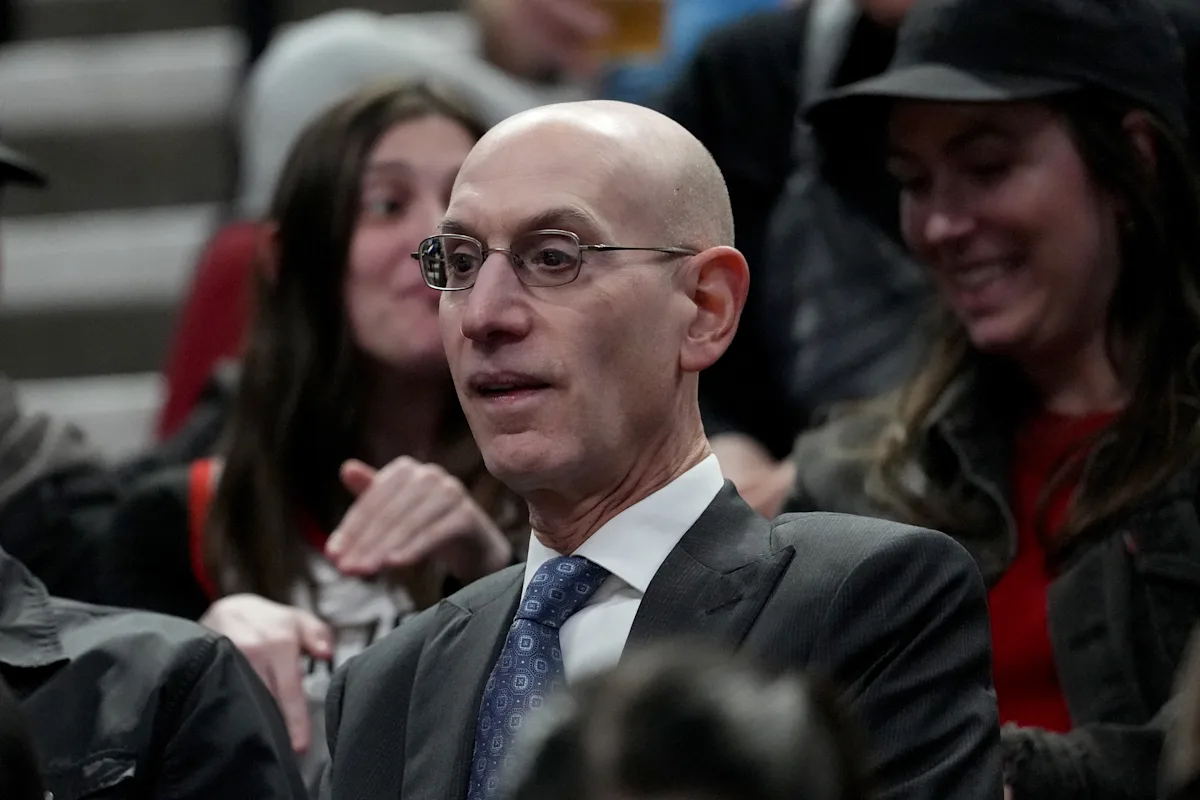
In the world of professional sports, particularly in the NBA, the practice of “tanking” has drawn ire from fans, analysts, and league officials alike. As the league looks to maintain competitive balance and ensure a fair playing ground for all teams, NBA Commissioner Adam Silver has declared war on tanking. During a recent media session, Silver stated unequivocally that the league would “fix it. Full stop.” Following this proclamation, the NBA’s Board of Governors presented three anti-tanking proposals aimed at addressing this ongoing issue.
Understanding Tanking in the NBA
Before delving into the proposed solutions, it’s essential to understand what tanking means in the NBA context. Tanking generally refers to a strategy where teams intentionally perform poorly to secure a higher draft pick. This practice often involves trading away star players, benching key contributors, or prioritizing the development of younger, unproven talent at the expense of winning games.
The ramifications of tanking are a mixed bag—it allows struggling franchises a chance to rebuild through high draft picks but also results in less competitive games, disappointing fans, and undermining the integrity of the league. Consequently, the NBA aims to find a more equitable solution that can foster genuine competition while allowing teams to rebuild efficiently.
Adam Silver’s Commitment to Change
Adam Silver’s commitment to addressing this issue comes amidst growing concerns over the integrity of the game. In a statement that resonated with many observers, he acknowledged, “There is an aspect of team building that is called a genuine rebuild, a rebuild with integrity.” Yet, he also recognized that distinguishing between a rebuilt team and one that is merely tanking has become increasingly challenging.
Overview of the Proposed Changes
At the recent Board of Governors meeting, three proposals aimed at eliminating or mitigating the impact of tanking were introduced. Each proposal varies in scope and execution but shares a common goal: to ensure that all teams remain competitive throughout the season.
Proposal 1: The 18-Team Lottery
The first proposal introduces an 18-team lottery system. This system would include:
- The bottom 10 teams that miss the play-in tournament.
- The eight teams that qualify for the play-in tournament.
Under this proposal, the bottom 10 teams would have equal odds in the lottery, promoting more competition for the top draft picks. The other eight teams will have their odds split in a descending manner based on their performance, making it less advantageous for teams to purposely lose games.
Implications
By ensuring that the bottom teams have equal opportunities for the top picks, this proposal directly addresses the incentive to tank. One major consequence of this structure is that teams might choose to focus on winning instead of losing, knowing that better performance could improve their chances, even if they don’t make the playoffs.
Proposal 2: The 22-Team Lottery
The second proposal expands the lottery to 22 teams, adding more complexity but also more opportunities. This system would include:
- The same bottom 10 teams and the eight play-in teams as the first proposal.
- Additionally, the four teams eliminated in the first round of the playoffs.
In this setup, teams would be ranked in the lottery based on their records over the past two seasons, with the top four teams drawn as part of the lottery.
Implications
This proposal aims to reduce the advantage of poor-performing teams by including more teams in the lottery. By factoring in performance over two seasons, it encourages teams to maintain competitiveness over time, possibly leading to a less pronounced tanking culture.
Proposal 3: Differential Lottery System
The third proposal returns to the 18-team structure but alters the dynamics of the lottery. Under this system:
- The five teams with the worst records would share equal odds.
- A lottery for the top five picks would be drawn first, followed by a second lottery for the remaining teams.
One of the key features is that any of the bottom five teams that fail to gain a top-five pick would be guaranteed to pick within the top-10, thus protecting teams with genuinely poor records.
Implications
This method balances the need for top picks while ensuring that genuinely poor-performing teams don’t slip too far down the draft order. Teams will be less incentivized to tank, knowing they have a safety net to ensure they still receive a high draft pick.
Adapting and Refining Proposals
While these proposals have sparked conversation, they are not set in stone. Adam Silver indicated that the proposals will undergo refinement before being put to a vote in May. This is a crucial phase in the process, as feedback will be gathered from various stakeholders, including team owners, general managers, and perhaps even fans.
Challenges Ahead
Despite the enthusiasm surrounding these proposals, significantly altering the culture of tanking isn’t easy. Several challenges persist:
-
Cultural Shift: Many teams have built their frameworks around the current draft system. Convincing these organizations to adapt may take time.
-
Financial Considerations: Teams may be hesitant to abandon tanking if it has proven financially lucrative in the short term, especially with increased ticket sales and fan engagement expectations.
-
Concerns of Genuine Rebuilding: Silver’s point about true rebuilds being conflated with tanking is vital. Stakeholders must find ways to ensure that teams can rebuild without slipping into tanking, creating further challenges in delineation.
-
Long-term Contracts: With player contracts and salary cap implications, many franchises would need to evaluate their roster strategies. Certain teams may opt for short-term failures for long-term gains, complicating the tanking issue.
Conclusion
As the NBA faces a pivotal crossroads regarding tanking, the proposed strategies represent a proactive approach aimed at returning competitive balance to the league. Adam Silver’s unwavering commitment to resolve this issue underscores the importance of integrity in professional basketball. While these proposed changes are far from finalized, they indicate a willingness to adapt and reconsider how teams operate.
Ultimately, mitigating tanking will require collaboration across the board — an acknowledgment that while poor seasons can sometimes be a necessary evil for rebuilding purposes, they should not become a deliberate strategy that undermines the spirit of competition. As fans and stakeholders eagerly await further developments, one thing remains certain: an era of change is dawning in the NBA.