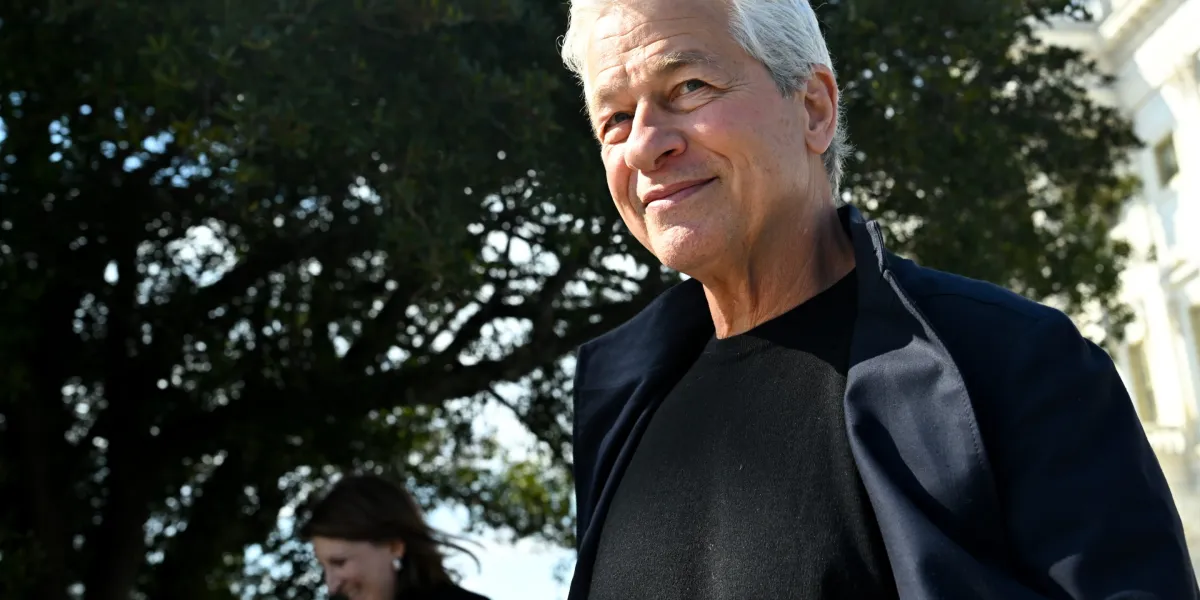
The economic landscape for 2026 is clouded by uncertainties, and Jamie Dimon, the CEO of JPMorgan Chase, has thrown a spotlight on one critical term: “stagflation.” This alarming concept combines stagnant economic growth with persistent inflation, threatening not only the financial markets but also the everyday lives of American citizens. Dimon’s insightful observations in his annual letter to shareholders provide a glimpse into potential risks posed by ongoing global conflicts, raising important questions about the future of the U.S. economy.
Current Economic Context
As economies around the world grapple with the effects of the pandemic and geopolitical tensions, U.S. economic indicators remain a mixed bag. With major concerns about the ongoing war in Iran, the ramifications of Russia’s invasion of Ukraine, and domestic policy shifts, the U.S. economy finds itself at a crossroads. Investors and policymakers alike wonder how these interlinked situations will unfold, and what they will mean for key metrics like inflation rate, interest rates, and economic growth.
Understanding Stagflation: A Threatening Cocktail
Stagflation is defined by the coexistence of three negative economic conditions: high inflation, high unemployment, and stagnant economic growth. Historically, stagflation has posed considerable challenges for policymakers, as the typical tools used to combat inflation—such as raising interest rates—can further inhibit growth and employment. Dimon emphasized that a stagflation scenario could critically undermine goals aimed at uplifting the American economy and its people.
Dimon’s Warnings: What to Look For
In his letter, Dimon discussed various scenarios that could lead to stagflation. He pointed out that geopolitical tensions, especially those involving oil supply routes like the Strait of Hormuz, pose substantial risks for global markets. This concern is particularly pertinent given that approximately one-fifth of the world’s oil supply passes through this critical chokepoint. Dimon remarked:
“The skunk at the party—and it could happen in 2026—would be inflation slowly going up, as opposed to slowly going down. This alone could cause interest rates to rise and asset prices to drop.”
Historical Comparisons: Are Fears Justified?
To grasp the gravity of the situation, it’s helpful to look back at historical instances of stagflation, notably the 1970s. During that decade, rising oil prices spurred by Middle Eastern conflicts led to rampant inflation and an economic recession. Today, some economists argue that such comparisons are misplaced due to structural changes in the U.S. economy.
As noted by Preston Caldwell, chief U.S. economist at Morningstar, U.S. dependency on petroleum products has significantly decreased since that time. In 2025, spending on these products accounted for only about 3.3% of total personal consumption, less than half of the 8.3% average seen in the 1970s. This decline in dependency makes some economists skeptical of an impending stagflation.
Macroeconomic Implications of Stagflation
Interest Rates: A Dual-Edged Sword
If stagflation were to occur, interest rates would likely face upward pressure as the Federal Reserve attempts to rein in inflation. Higher interest rates generally lead to increased borrowing costs, which can hinder consumer spending and business investment, further stifling economic growth. This sets off a cycle where the antidote for one issue worsens another.
Inflation’s Ramifications for Consumers
For the average consumer, rising inflation translates directly into higher prices for goods and services. After the Federal Reserve’s interest rate decisions, the expected effects on the economy become glaringly apparent. Consumer price indexes, already unsettling for many households, could further exacerbate personal finance issues. As a result, budget constraints on families and individuals would likely grow as they grapple with higher costs of living.
Employment: The Silent Victim
High inflation does not just affect purchasing power; it also affects employment. Companies facing rising costs may choose to cut back on hiring or lay off workers, leading to higher unemployment rates. This could create a vicious cycle where people lacking jobs contribute to reduced consumer spending, fuelling the stagnant growth aspect of stagflation.
Market Response: What Sectors Will be Affected?
The ripple effects of stagflation extend to various sectors, impacting everything from equities to commodities. How the markets react is crucial for investors looking for opportunities despite potential downturns.
Equities: A Mixed Bag
In a stagflationary environment, the stock market may experience volatility. Some sectors, such as energy and utilities, might benefit from rising prices, while others, particularly those reliant on consumer discretionary spending, could suffer. Investors would need to pivot towards sectors expected to offer resilience against inflationary pressures, such as essential consumer goods and healthcare.
Housing Market: A Double-Edged Sword
The housing market also faces uncertainty. If mortgage rates rise in response to the Federal Reserve’s actions to combat inflation, potential homebuyers may be driven out of the market, leading to a reduction in home sales and possible price stagnation. Conversely, for existing homeowners, inflation might enhance property values, creating a potential wealth effect.
Commodities: The Beacon Amidst Turmoil
Historically, commodities tend to outperform during periods of inflation. Commodities like gold and oil could serve as hedges against the devaluation of currency, presenting investors with lucrative opportunities. However, price volatility may also necessitate a keen sense of timing and strategy.
Opportunities and Risks in a Stagflation Scenario
Investment Strategies: What Should You Consider?
Facing the uncertain outlook of stagflation, investors must become increasingly adaptive. Here are some strategies to consider:
- Diversification: Broadening your investment portfolio can help mitigate risks. Including a mix of equities, bonds, and commodities may serve to balance the inevitable fluctuations.
- Defensive Stocks: Investing in sectors such as utilities and consumer staples can provide relative stability during volatile times.
- Real Assets: Focus on real estate or commodities as potential hedges against rising inflation.
- Focus on Quality: Companies with strong balance sheets and low debt might weather economic storms more effectively.
Potential Risks You Can’t Ignore
While opportunities may arise, significant risks are also inherent in a stagflation scenario:
- Credit Crunch: If lending becomes tight due to fears of economic downturns, businesses may struggle to obtain financing for growth.
- Policy Mistakes: The Federal Reserve’s approach to interest rate adjustments may misfire, exacerbating economic challenges.
- Global Tensions: Ongoing geopolitical crises could destabilize markets further, adding another layer of uncertainty.
Future Perspectives: Where Do We Go from Here?
The future of the U.S. economy remains uncertain, yet it’s essential to recognize the signs and prepare accordingly. The lessons from past economic turmoil provide valuable insights into navigating potential challenges that may arise from stagflation. With close monitoring of inflation rates, interest rates, and geopolitical dynamics, investors, policymakers, and consumers must all remain vigilant.
Dimon’s letter clearly illustrates that the U.S. economy stands at a crucial juncture. As various economic forces collide, the subsequent outcomes may shape investment strategies, personal finance decisions, and broader economic policies for years to come. Will we witness a resurgence of the American Dream, or will 2026 prove to be a year of economic challenges? Only time will reveal the answers.