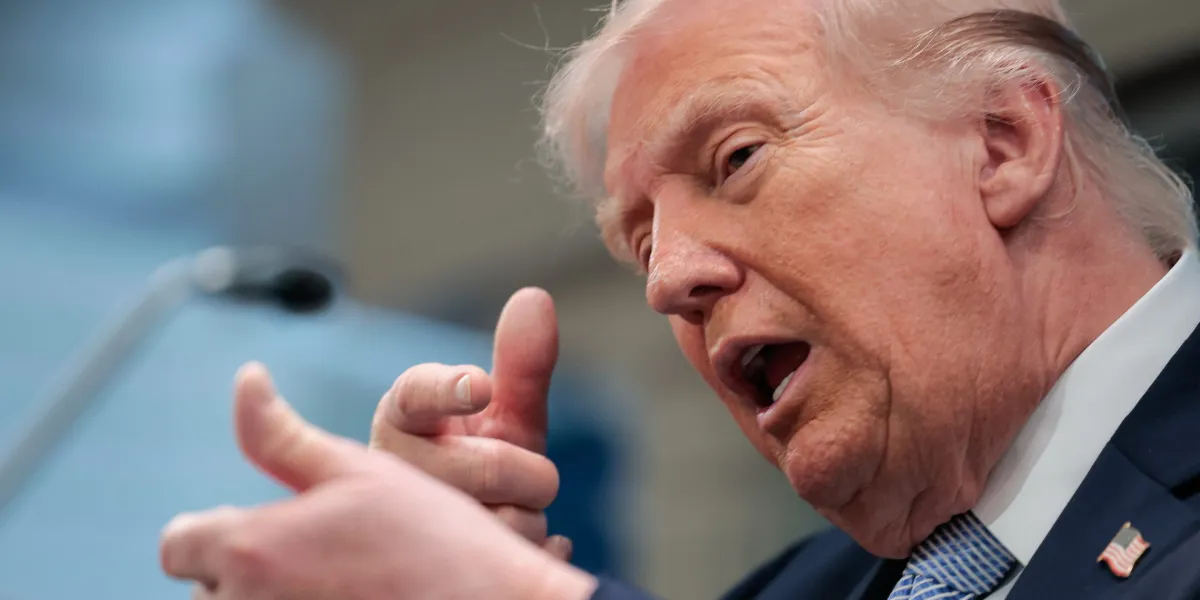
In a world where geopolitical tensions can escalate quickly, few statements resonate as powerfully as those of world leaders. Recent comments from President Donald Trump regarding Iran have ignited both fear and speculation, especially as they relate to potential military actions in the region. His provocative assertion that “the entire country” of Iran “can be taken out in one night” raises questions not just about military strategy but also about its broader economic implications. In this article, we will dive deep into the economic context surrounding these statements, analyze their potential consequences for different markets, and explore the opportunities and risks facing investors.
The Current Economic Context
Understanding the backdrop of President Trump’s comments necessitates a look at the current economic landscape. The global economy is at a crossroads, with rising interest rates and persistent inflation impacting both national and international markets. Amidst these uncertainties, the outcomes of foreign policy decisions become critical factors influencing economic stability.
To navigate this complex web, it’s essential to consider how geopolitical events in regions like the Middle East can ripple through global markets. Historically, conflicts in oil-rich areas have led to spikes in oil prices, affecting everything from transportation costs to household energy bills. The significance of the Strait of Hormuz as a major oil transit route cannot be overstated; over 20% of the world’s oil passes through this narrow stretch of water.
Analyzing the News: Trump’s Escalation
Trump’s statements are layered with implications. He has made it clear that the U.S. expects Iran to reopen the Strait of Hormuz or face severe consequences. This type of ultimatum could lead to disruptions not just in Iranian infrastructure but also in global oil supply chains, stirring anxiety among investors and consumers alike.
When Trump mentioned the possibility of Iran losing “infrastructure,” it raises concerns about the method by which the U.S. could take such actions. Discussions around graphite bombs and other advanced weaponry, designed to cripple electrical grids without causing widespread destruction, highlight the U.S. military’s capacity to conduct targeted attacks. This approach is aimed at minimizing civilian casualties while achieving military objectives. However, the psychological impact on both nations and the broader international community can lead to heightened tensions and unpredictability in financial markets.
Potential Implications for the Economy
Macro Implications
The macroeconomic ramifications of these comments can be significant. A military escalation against Iran could lead to:
- Oil Price Fluctuations: Anticipated disruptions in oil supply may lead to soaring prices, directly affecting inflation rates globally.
- Geopolitical Instability: Increased tensions could heighten risks, causing foreign investors to withdraw investment or pull back from emerging markets.
- Currency Volatility: Fluctuations in the U.S. dollar against other currencies might occur, driven by fears of conflict or economic sanctions.
Micro Implications
On the microeconomic front, consumers may face challenges that manifest as:
- Rising Energy Costs: Increased oil prices typically translate into higher costs for transportation and heating, squeezing household budgets.
- Investment in Safety: Businesses may divert funds away from growth initiatives toward security measures, impacting long-term growth.
- Uncertainty in Market Sentiment: The stock market often reacts negatively to uncertainty; a spike in defense-related expenditures might boost certain sectors while weakening others.
Market and Sector Impact
The ripple effects of Trump’s comments extend across various sectors:
Energy Sector
The energy sector is directly impacted by geopolitical events. Heightened concerns regarding oil supply chains can lead to:
- Investment in Renewable Energy: A shift towards renewable energy solutions may be accelerated as countries seek to reduce dependency on oil from volatile regions.
- Oil Stocks Volatility: Companies involved in oil extraction and distribution could see stock prices fluctuating sharply based on news developments.
Consumer Goods
Consumers will also feel the pinch:
- Food Prices: Increased transportation costs will likely lead to increased prices for consumer goods.
- Discretionary Spending: Households may cut back on spending, leading to decreased revenue for retail segments.
Financial Services
The financial sector could undergo significant changes:
- Credit Rates: Increased risk may lead banks to tighten lending, impacting business loans and mortgage rates.
- Equity Volatility: With increasing risks, investors may shift towards safer assets like gold or government bonds.
Opportunities and Risks for Investors
For investors, these geopolitical tensions present both opportunities and risks. Understanding these dynamics is crucial for effective portfolio management.
Opportunities
- Defensive Investments: Companies in sectors like defense or cybersecurity may experience growth amid increased government spending.
- Energy Diversification: Investing in energy stocks that focus on renewables may yield returns as the world pushes for a more sustainable energy future.
- Commodities: Commodities like gold often appreciate during times of uncertainty, providing a hedge against inflation.
Risks
- Market Volatility: Equity markets may plummet amid fear-driven sellouts, leading to short-term losses.
- Currency Instability: Currency fluctuations could affect international investments.
- Supply Chain Disruptions: Supply chains heavily reliant on Middle Eastern oil may face interruptions, impacting profitability.
Data & Statistics: A Look at the Numbers
Understanding the economic impact requires a review of recent data:
| Indicator | Current Value | Change Over Time |
|---|---|---|
| Crude Oil Prices | $80 per barrel | +15% in the last month |
| U.S. Inflation Rate | 6.2% | +0.5% year-over-year |
| Consumer Confidence Index | 95 | -4 points month-on-month |
Future Perspectives: What Lies Ahead?
As we analyze the ramifications of Trump’s statements on Iran, it’s crucial to consider a range of possible scenarios moving forward:
Best-Case Scenario
In an optimistic scenario, diplomatic efforts can de-escalate tensions, leading to a stabilization of oil prices and a return to economic normalcy. This outcome would encourage growth in sectors affected by recent geopolitical events, resulting in a rebound for consumer confidence and spending.
Pessimistic Scenario
Conversely, a worst-case scenario involves escalated conflict that disrupts oil supplies and destabilizes the region. This could lead to spiraling inflation rates, a stock market crash, and a global economic downturn.
Middle Ground
A more likely outcome might rest between these two extremes, characterized by heightened market volatility and ongoing tensions in the Middle East. Investors would be wise to position themselves cautiously, remaining alert to shifts in policy and geopolitical risks.
Conclusion
The implications of President Trump’s recent remarks about Iran extend far beyond military strategy; they symbolize a pivotal moment for global economics. Investors and consumers alike must brace for potential shifts in oil prices, inflation, and overall market sentiment. The landscape is fraught with complexities, but understanding these dynamics will be crucial in navigating the choppy waters ahead. As we confront the unpredictability of geopolitical tensions, a data-driven, risk-aware approach to financial planning will be essential for both stability and growth in the coming years.