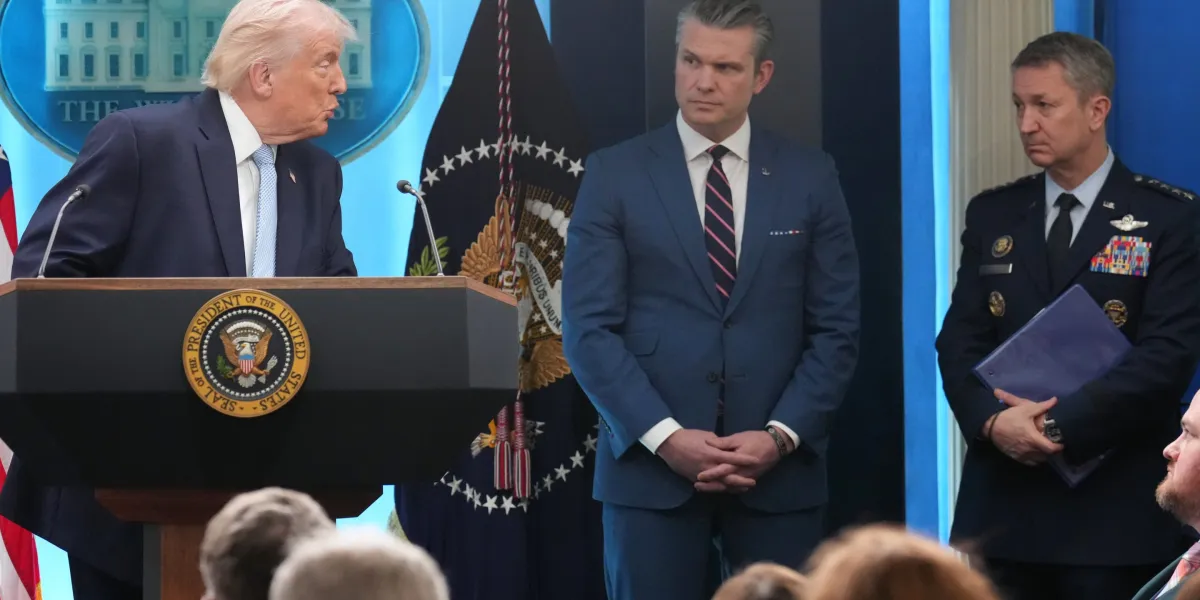
The recent daring U.S. military operation to rescue two pilots from a downed F-15E fighter jet in Iran serves as a potent reminder of the intricate web of international relations, military strategy, and intelligence operations that shape our world today. This high-stakes incident raises vital questions about the current state of global tension, defense strategies, and the economic implications that such military actions can have on markets and industries at large. In this article, we will delve deep into the context surrounding this operation, analyze its implications on both macroeconomic and microeconomic fronts, and provide insights into the potential opportunities and risks this unfolding situation presents for investors.
Current Economic Landscape
As we explore the ramifications of this military operation, it is important to contextualize it within the current economic climate. The global economy is still recovering from the effects of the COVID-19 pandemic, including supply chain disruptions and shifts in consumer behavior. In addition, geopolitical tensions, such as those involving Iran and the U.S., continue to create uncertainty in financial markets.
The following points outline key aspects of the current economic landscape:
- Inflation Rates: Many economies are grappling with rising inflation, driven by increased demand and supply chain bottlenecks. Central banks are closely monitoring inflation indicators to make informed decisions regarding interest rates.
- Interest Rates: The Federal Reserve and other central banks are considering tighter monetary policies to combat inflation, which can affect borrowing costs for individuals and businesses alike.
- Geopolitical Risks: Ongoing conflicts and diplomatic tensions can lead to volatility in financial markets, impacting sectors such as energy and defense.
Detailed Analysis of the News
Overview of the Rescue Operation
The operation commenced after an F-15E Strike Eagle was shot down deep inside Iran, sparking a complex rescue mission that highlighted the capabilities and coordination of U.S. military and intelligence agencies. President Donald Trump detailed the event, emphasizing the use of a range of military assets including helicopters, refuelers, and fighter jets.
Initial reports revealed that the pilot was rescued within hours, while the second aviator, a weapon systems officer, was located nearly two days later, prompting intense scrutiny of the rescue strategies employed.
Military Strategy and Intelligence Application
The success of the operation relied not only on brute military force but also on sophisticated intelligence tactics employed by the CIA. According to CIA Director John Ratcliffe, the agency utilized unique technologies to locate the downed airman, coupled with deceptive operations aimed at misdirecting Iranian forces.
Key components of the military strategy included:
- Surveillance: The U.S. military successfully executed surveillance operations to track the movements of the downed aviator, leveraging advanced imaging technologies.
- Deception Tactics: The use of numerous aircraft contributed to a strategy of confusion, misguiding Iranian forces regarding the actual location of the pilots.
- Coordination Among Agencies: Collaboration between various branches of the military and intelligence services was critical for promptly executing the mission.
Initial Success and Subsequent Challenges
The early success in rescuing the F-15 pilot showcased the U.S. military’s robust operational capabilities. However, the mission grew increasingly complicated when it came time to locate and extract the second aviator, who faced numerous threats in mountainous terrain.
The changing dynamics on the ground, characterized by local media urging residents to capture the “enemy pilot,” created a precarious situation for the U.S. forces.
Macroeconomic and Microeconomic Implications
Global Tensions and Economic Forecasting
Military engagements often bear direct consequences on a nation’s economy, especially when dealing with a geopolitical adversary like Iran. The potential for escalated conflict could lead to significant implications across various sectors. Here’s a look at the macroeconomic implications:
- Energy Markets: Renewed tensions in the Middle East often result in fluctuations in oil prices due to concerns over supply disruptions. Changes in oil prices can have cascading impacts on inflation rates and the broader economy.
- Stock Market Volatility: Uncertainty stemming from armed conflict can lead to increased volatility in stock markets. Investors may react by reallocating their portfolios in accordance with perceived risks.
- International Trade: Increased military tensions can disrupt trade relations, particularly in sectors like energy, defense, and technology, impacting overall economic growth.
Specific Sector Impact
Investors must also consider how specific sectors are likely to respond to the dynamics of military operations. Key sectors to watch include:
Defense Sector
The defense industry tends to benefit from increased military spending and heightened national security measures. Major defense contractors are likely to see an uptick in revenue as governments respond to perceived threats with increased procurement of military assets.
Energy Sector
The oil and gas sector often experiences volatility during geopolitical crises, especially in the wake of military operations in oil-rich regions. Supply chain risks can drive prices higher, posing further challenges for consumers and businesses reliant on fossil fuels.
Financial Markets
Markets could react negatively to escalated military tensions, leading to declines in consumer confidence and lower stock prices. Investors may seek safe-haven assets such as gold or government bonds during periods of uncertainty.
Opportunities and Risks for Investors
As with any significant geopolitical development, this operation presents both opportunities and significant risks for **investors**. Understanding these dynamics can pave the way for intelligent investment strategies. Consider the following:
Opportunities
- Increased Defense Spending: Companies within the defense sector may see increased orders and revenue streams, presenting investment opportunities.
- Energy Investments: Investors may find value in energy stocks, particularly those involved in oil and gas exploration and production, as supply concerns may drive prices higher.
- Safe-Haven Assets: In volatile times, many investors flock to **gold** and other precious metals, which can provide a hedge against inflation and currency fluctuations.
Risks
- Market Volatility: The uncertainty created by military actions can lead to sharp fluctuations in stock prices.
- Regulatory Changes: Increased military expenditure may lead to budget reallocations, impacting sectors not prioritized in national security.
- Supply Chain Disruptions: Military engagements can affect global supply chains, particularly in **energy**, which could result in economic repercussions internationally.
Future Outlook: Scenarios and Projections
Best-Case Scenario
In a positive light, the U.S. military’s quick rescue operation could lead to enhanced national security credibility, potentially deterring future aggressive actions from adversaries like Iran. Increased military cooperation with allies could follow, promoting stability in global markets and fueling confidence among **investors**.
Pessimistic Scenario
Conversely, if tensions escalate further, leading to prolonged conflict, we could observe significant disruptions in oil markets, rampant volatility in global financial markets, and a downturn in economic growth. Such an environment could exacerbate inflationary pressures and result in a tightening of monetary policies by central banks.
Conclusion: Navigating a Complex Landscape
The recent U.S. military operation in Iran exemplifies the intersection of military action and economic implications, highlighting how geopolitical crises can ripple through financial markets and sectors. As investors and analysts, it is crucial to remain vigilant in monitoring such developments as they unfold, understanding both the risks and opportunities present.
By incorporating strategic foresight and careful analysis, stakeholders can position themselves to navigate this complex landscape, taking full advantage of market movements while safeguarding their portfolios against adverse economic conditions. The situation remains dynamic, and staying informed will be vital as new information comes to light.