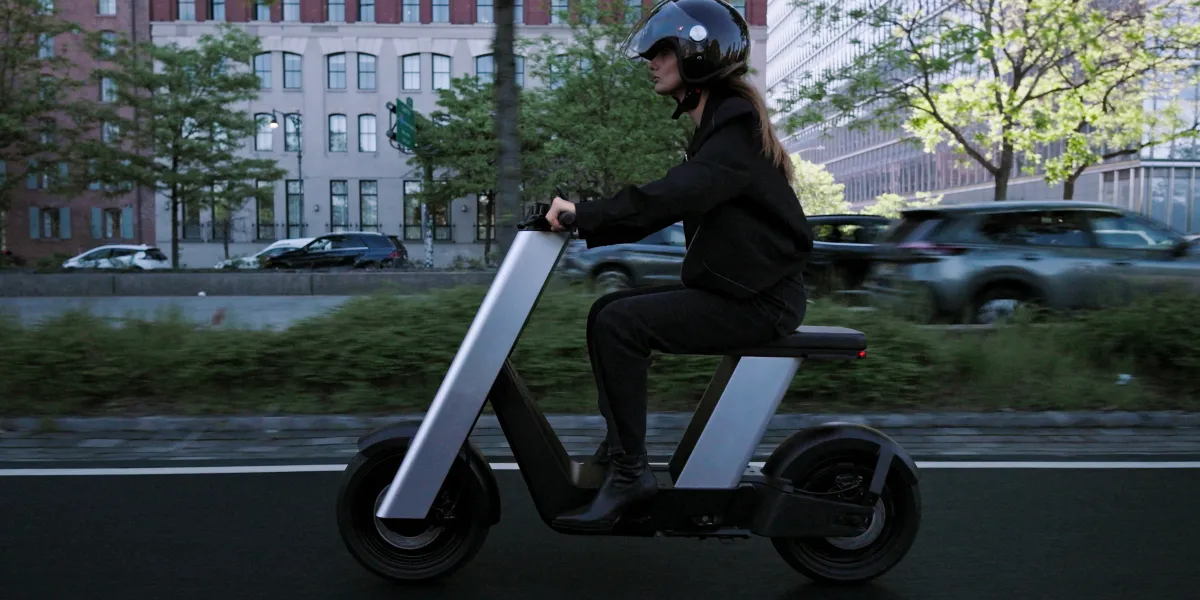
As urban mobility continues to evolve, electric bikes are rapidly gaining traction in many major cities around the world. One of the latest innovations in this sector is the Olto, an electric bike developed by Infinite Machine. This two-wheeled machine represents a significant shift in the design and functionality of e-bikes, bringing both excitement and trepidation to traditional cycling. The growing debate around e-bikes has implications not only for the cycling community but also for regulatory frameworks, urban planning, and investment opportunities in the booming electric mobility market. In this article, we will explore the current economic context around e-bikes like the Olto, analyze this significant news, and discuss its potential impact on various markets and investment strategies.
The Current Economic Landscape for E-Mobility
Electric mobility is reshaping the way residents in urban environments commute. Cities are heavily investing in infrastructure to accommodate electric vehicles, driven largely by growing concerns about climate change, air quality, and urban congestion. According to the International Energy Agency (IEA), global electric bike sales reached 40 million units in 2022, which reflects a continuous growth trend. This has resulted from various factors, including:
- Climate Change Initiatives: Governments worldwide are promoting sustainable modes of transport to reduce carbon footprints.
- Technological Advancements: Innovations in battery and motor technology are making electric bikes more efficient and user-friendly.
- Urbanization: As more people move into cities, congestion and parking issues are prompting a shift towards alternative modes of transport.
Despite this momentum, the e-bike industry is not without challenges. Regulatory hurdles, safety concerns, and public perceptions of e-bikes often lead to contentious discussions. This is where the Olto enters the conversation, as it blends the lines between traditional bikes and scooters, inciting a debate about safety and regulations.
Analyzing the Olto: Features and Market Position
The Olto bike can be classified under Class 2 electric bikes, which according to regulations allow for throttle operation without pedal assistance. Weighing in at a hefty 176 pounds and designed with a moped-style seating position, the Olto can reach speeds of up to 20 mph, making it more akin to a small vehicle than a bicycle.
Joseph Cohen, CEO of Infinite Machine, emphasizes that the design of Olto is intentional. Following the lockdowns during the COVID-19 pandemic, he and his brother Eddie recognized the need for a vehicle that could seamlessly transition from streets to bike lanes. The Olto thus aims to capture a dual audience: traditional cyclists and potential moped users looking for faster transit options.
Why Is the Olto Generating Buzz?
There are several reasons fueling the buzz around the Olto:
- Innovative Design: Its sleek, attention-grabbing design appeals to a modern consumer base.
- Versatility: The capability to use bike lanes legally, while providing higher speeds and a comfortable riding experience, caters to a market that values both performance and compliance.
- Health and Safety Concerns: Cohen argues that the real threat to cyclists comes from cars, suggesting that riding in bike lanes with e-bikes like Olto could be safer.
However, this new form of mobility inevitably raises questions about safety in shared spaces. Traditional cyclists fear being outpaced, while pedestrians express concerns about increased traffic in lanes meant for leisurely, determined cyclists.
Implications for Urban Transport and Regulations
The introduction of vehicles like the Olto fundamentally affects existing concepts of urban mobility. As cities like New York and Amsterdam consider how to accommodate e-bikes and scooters, regulations are being scrutinized.
What Are the Regulatory Challenges Ahead?
- Speed Limitations: Many cities impose speed limits on e-bikes to ensure cyclist and pedestrian safety. Balancing these with performance expectations is a challenge that requires careful regulatory attention.
- Safety Standards: As the Olto operates at speeds akin to small scooters, there are calls for stricter safety measures, including mandatory helmets and insurance requirements.
- Designated Infrastructure: The need for dedicated lanes and parking areas for e-bikes is becoming paramount as their numbers increase.
Market Data and Economic Indicators
Recent studies indicate a booming market for e-bikes; the global electric bike market is projected to reach $50 billion by 2026. This should come as no surprise when you consider the economic indicators that influence the e-bikes market:
| Year | Market Size (in billions) | Growth Rate (%) |
|---|---|---|
| 2020 | 24 | 8.5 |
| 2022 | 40 | 15.0 |
| 2026 | 50 | 12.5 |
The implications of such investment and market growth are significant. Investors seeking to diversify their portfolios may view companies like Infinite Machine favorably due to their innovative offerings in the green transport segment.
Impact on Investors and Investment Strategies
The rise of e-bikes like the Olto offers unique opportunities and challenges for investors:
Opportunities in E-Mobility Investments
- Early Stage Investments: Companies like Infinite Machine represent aggressive growth potential for those willing to embrace higher risks.
- Portfolio Diversification: Adding e-mobility firms to investment portfolios may help mitigate exposure to traditional automotive markets struggling with transition challenges.
- Adoption of Renewable Technologies: Investment in companies focusing on sustainable practices within the electric mobility space will continue to rise as urgency around climate issues escalates.
Risks Investors Should Consider
- Regulatory Changes: Investors should remain vigilant about evolving regulations affecting e-bike operations.
- Market Saturation: The growing number of e-bike manufacturers makes the landscape increasingly competitive.
- Consumer Perception: Public discomfort or resistance to e-bikes could hinder market growth and company success.
Conclusion: Future Perspectives on E-Bikes and Urban Mobility
The emergence of vehicles such as the Olto from Infinite Machine signifies a pivotal shift in how urban mobility may evolve. As these developments unfold, it is critical to remain attuned to regulatory changes, market dynamics, and evolving public sentiments regarding shared road space.
In the near future, investors must weigh the opportunities presented by e-mobility against the risks inherent in such a rapidly changing market. Urban planners, policymakers, and citizens alike will need to engage in meaningful dialogue regarding how best to integrate these new forms of transportation without compromising safety or public accessibility.
Ultimately, as cities around the globe continue to adapt to changing transportation demands and sustainability goals, the future of e-bikes and innovations like the Olto stand as both a challenge and an opportunity that will shape urban landscapes for decades to come.