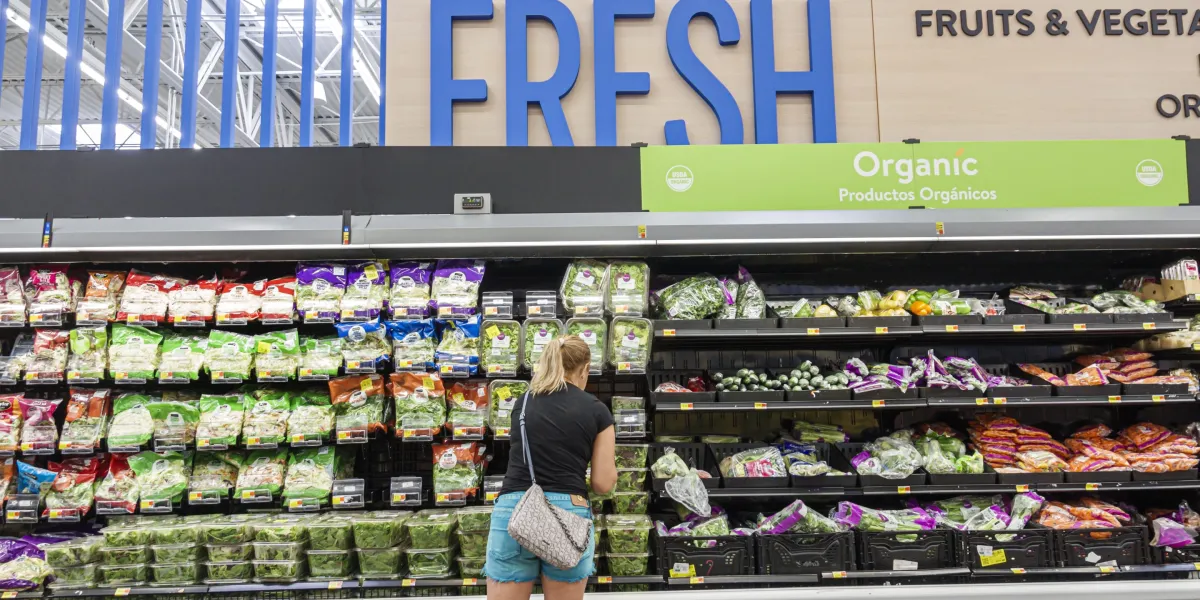
The current geopolitical landscape is creating significant ripples in the global economy, and with the recent ceasefire between the U.S., Israel, and Iran, it’s essential to analyze the implications of sustained conflict on consumer prices, especially in the grocery aisles. Although a brief pause in hostilities has been agreed upon, the repercussions of ongoing turmoil are likely to be felt by consumers in their wallets. Grocery prices, particularly for essential produce items, are poised for further increases, contributing to the already alarming trend of inflation affecting everyday Americans.
Current Economic Context
Understanding the current economic context requires a close examination of the ongoing conflicts, supply chain disruptions, and price inflation. Since the war erupted, there has been a notable surge in wholesale prices for common groceries like tomatoes, bananas, and yellow onions. An analysis by Fortune utilizing data from the USDA illustrates that food prices are not just rising due to local market factors but are significantly impacted by international tensions and commodity market volatility.
The global food price index reported a 2.4% rise in March, the second consecutive month of price increases, primarily fueled by factors that include existing inflation and rising costs associated with fuel and fertilization inputs. Experts like Jeffrey Dorfman of North Carolina State University have pointed out that fuel prices resulting from the conflict could exacerbate these trends, further influencing consumer spending behaviors.
Understanding Rising Grocery Prices
How Fuel Prices Affect Grocery Costs
Fuel prices are a critical component of grocery costs, with fossil fuels being a significant factor in the production, transportation, and distribution of food items. According to Dorfman, energy costs account for approximately 15% to 30% of the total costs of produce. Should fuel prices continue to escalate — as they have since the commencement of hostilities — consumers could face another surge in grocery expenses.
For example, if fuel prices rise by around 30%, the increase in the costs of produce could range from 1% to 2%, impacting what consumers ultimately pay at checkout. Additionally, shipping logistics play a fundamental role; produce sourced from distant states or countries will likely incur higher transportation costs, subsequently passing those expenses on to the consumer.
Other Factors Impacting Grocery Prices
While the ongoing conflict serves as a backdrop to the current inflation of grocery prices, various factors were already exerting upward pressure. The labor market’s challenges, exacerbated by immigration restrictions and COVID-19 repercussions, have left producers struggling to maintain operations. As Chris Barrett from Cornell University highlights, labor accounts for nearly half of grocery costs, meaning that wage increases due to scarcity directly contribute to rising prices.
Moreover, the introduction of tariffs on imported produce has played an unwelcome role in inflating grocery bills. Any further increases in tariffs may lead to additional consumer burden, as these costs are typically transferred directly to shoppers.
Macro and Microeconomic Implications
The implications of the current war and associated economic challenges extend beyond grocery prices; they have the potential to shape the broader economic landscape. Should prices escalate further, we may witness effects rippling through various sectors, impacting inflation, interest rates, employment, and overall consumer sentiment.
Inflation and Consumer Spending
Inflation is a multi-faceted phenomenon, and the persistent rise in grocery prices fuels overall inflation expectations. Consumer spending may decline as households allocate more of their budgets to essential items, leaving less discretionary income for other purchases. This scenario could prompt businesses to adjust their pricing strategies, leading to a potential cycle of price increases across various sectors.
Interest Rates and Federal Policy
In response to inflation pressures, the Federal Reserve may be compelled to adjust interest rates. Rising grocery prices contribute to an overall increase in the inflation rate, placing additional pressure on the central bank to act decisively to maintain economic stability. A potential tightening in monetary policy could further complicate the financial landscape for individuals and businesses alike.
Employment and Labor Market Concerns
As the costs of goods rise, businesses may face a challenging environment that complicates hiring and wage decisions. Labor shortages in the agricultural sector, coupled with elevated operating costs, can lead producers to reassess their workforce requirements. This situation may contribute to a cyclical pattern in which rising costs suppress employment opportunities and wage growth, consequently worsening the economic outlook.
Data and Recent Statistics
Projected Food Price Increases
Current projections from the USDA indicate that food prices could increase by around 3.6% in 2026, primarily driven by heightened fuel costs. However, for produce specifically, the expectations are tempered, with estimates ranging from a 1% to 2% increase if current conditions persist. This disparity highlights the complex web of factors impacting consumer costs, showing that while general food inflation may moderate, specific segments — like fresh produce — could vary significantly.
Summary of Key Data Points
- 2.4%: Rise in global food price index observed in March.
- 1% to 2%: Estimated increase in produce costs due to rising fuel prices.
- 3.6%: Projected increase in overall food prices by 2026 according to USDA.
- 42%: Estimated percentage of the U.S. crop workforce affected by immigration restrictions.
Sector and Market Impacts
Impact on Agricultural Sectors
The agricultural sector is particularly sensitive to shifts in both input prices and consumer demand. As costs rise, strategies may need to involve increased efficiencies in production and distribution. Understanding these dynamics is crucial for investors seeking opportunities in agricultural equities or related investment advice.
Consumer Goods and Retail Markets
With grocery chains experiencing increased costs, the retail sector will likely reflect these disruptions. Companies may seek to mitigate impacts via promotions or by adjusting product sizes — a practice referred to as shrinkflation. This tactic, while potentially effective in the short term, can create long-term consumer dissatisfaction, weakening brand loyalty.
Investment Landscape Insights
Investors may want to observe how various sectors respond to these pressures. Stocks closely related to food production and distribution typically provide insights into broader consumer trends and the general health of the economy. Tracking movements in sectors such as logistics, transport, and retail can offer advanced cues for investment opportunities.
Opportunities and Risks for Investors
Identifying Opportunities
While challenges abound, investors may find opportunities within sectors poised to benefit from higher grocery prices. Commodities and agricultural-focused ETFs may be prudent additions to portfolios, as their performance often inversely correlates with consumer spending in discretionary segments. Furthermore, stocks of companies that adapt well to inflationary environments may offer resilience in a volatile market.
Evaluating Risks
Conversely, inflation’s unpredictable nature presents risks. Companies unprepared for cost increases may struggle, resulting in profit margin compression and potential stock downgrades. Additionally, geopolitical risks could introduce further uncertainty, influencing currency fluctuations and global trade policies, which can negatively affect investments in international sectors.
Future Perspectives
As we look forward, the trajectory of grocery prices will depend on the war’s duration and broader economic trends affecting supply chains. Currently, analysts remain cautious yet hopeful. If the conflict remains contained over the next few months, prices may stabilize moderately. However, the cyclical nature of agriculture means that any prolonged conflict would severely impact future crop yields, thus adversely affecting supply in the upcoming growing seasons.
Best-Case Scenarios
- A swift and lasting resolution to conflicts leading to eased supply chains.
- Stable fuel prices permitting a return to more predictable grocery costs.
- Increased agricultural productivity driven by favorable weather conditions and improved labor availability.
Pessimistic Projections
- Extended conflicts leading to sustained high oil prices and protracted food inflation.
- Continued labor shortages causing disruptions in food supply chains.
- An escalation in tariffs and trade restrictions that hinder importation of essential goods.
In summary, while the immediate grocery price impact of the recent ceasefire and ongoing conflict seems manageable, the broader implications for inflation, interest rates, and the economy at large cannot be ignored. Consumers, investors, and policymakers must stay informed and adaptive to navigate a frequently shifting economic landscape.