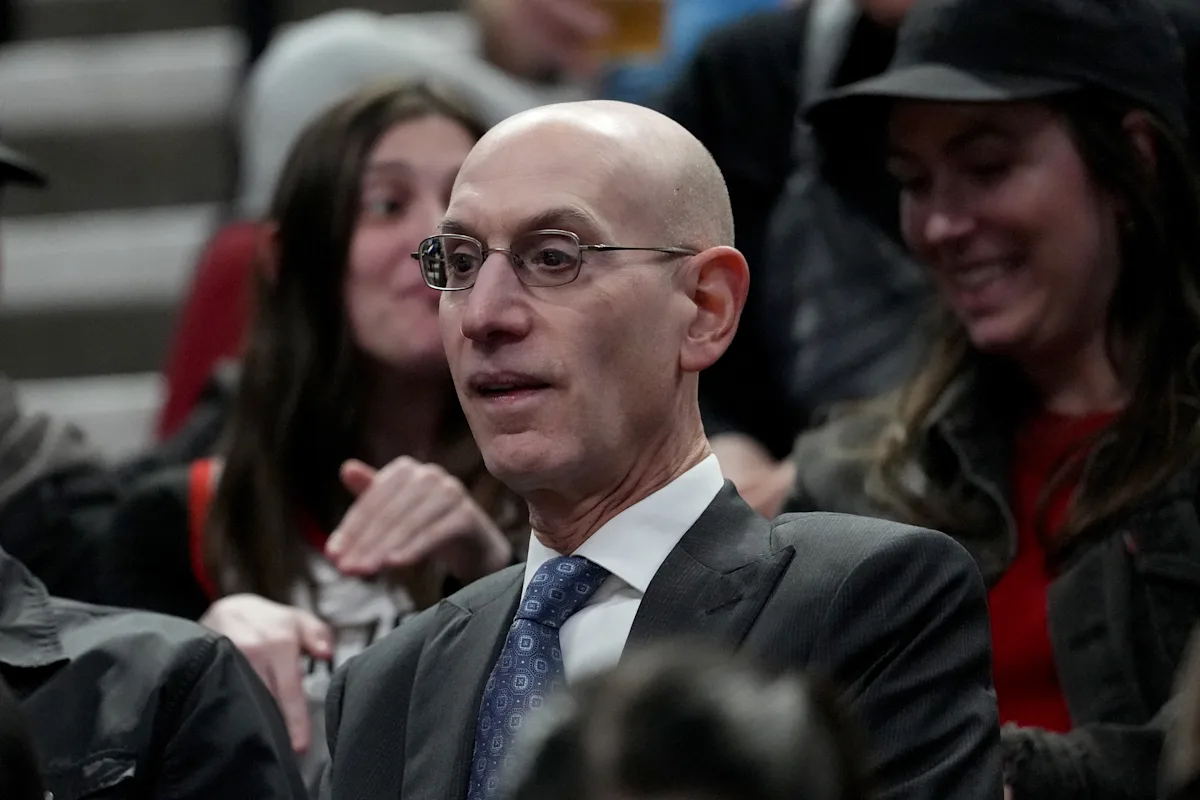
NBA Draft Lottery System Changes: Adam Silver’s Bold Proposal Against Tanking
Basketball is more than just a game; it’s a multi-billion dollar industry that captivates millions around the globe. As such, how teams acquire new talent through the draft is of critical importance to the integrity and competitiveness of the league. Recently, NBA Commissioner Adam Silver announced significant changes to the draft lottery system aimed at curbing the practice of “tanking.” In this article, we will examine the implications of these changes, explore the concept of tanking, and evaluate different proposals considered to alter the current system.
Understanding Tanking in the NBA
Tanking refers to the strategy employed by some NBA teams to intentionally lose games in order to secure a higher draft pick. By deliberately underperforming, teams hope to gain the opportunity to select high-caliber players in the NBA Draft, thus bolstering their roster for future success. While this approach can yield promising results, it raises ethical concerns about the integrity of competition.
Historically, this practice gained notoriety during the “Process” phase of the Philadelphia 76ers, where a complete teardown of the roster led to years of losing games in hopes of obtaining elite talent. Although the 76ers eventually found success with players like Joel Embiid and Ben Simmons, the long-term effects of this strategy continue to echo throughout the league.
Adam Silver’s Recent Announcement
During a recent press conference after the NBA’s Board of Governors meeting in New York, Silver stated, “We are going to fix it. Full stop.” These words highlight the NBA’s urgent need to address ongoing tanking issues – a concern voiced not just by fans but also by basketball executives and owners. Silver pointed out that tanking is nothing new, acknowledging that teams have long been inclined to field non-competitive rosters as a pathway to future success.
“Virtually everything we covered at the board meeting was very positive,” Silver remarked. “One topic, not so positive. And that’s ongoing tanking issues in the league.” His candid acknowledgment signifies that the league feels the strain of a growing trend that could undermine its credibility.
Historical Context of the Draft Lottery
The draft lottery system has undergone various reforms since its establishment in 1985, with modifications made four times to counteract tanking behavior. The most recent reforms in 2017 aimed to flatten the odds of landing the top overall pick, thus making it less enticing for teams to lose games. While these changes were seen as a step in the right direction, they have not effectively diminished the motivations behind tanking.
Silver noted the ongoing concerns, stating that the current iteration of the draft lottery “does not seem to be operating optimally.” This admission underscores the need for new strategies to disincentivize losing, which has become increasingly prevalent as teams vie for exceptional talent expected to emerge in upcoming drafts.
The Ethical Dilemma of Tanking
As tanking continues to cast a shadow over the league, it raises ethical questions regarding what constitutes a true “rebuild.” Silver emphasized the distinction between a legitimate rebuild and blatant tanking, stating, “The problem we’re having these days is, it’s become almost impossible to distinguish between the tank and rebuild.”
Some franchises might genuinely require a rebuilding phase to create a competitive team. In contrast, others exploit the system by deliberately underperforming to secure better draft positioning. This ethical ambiguity can damage fan trust and dilute the essence of competition, leading to less engaging games.
Previous Instances of Tanking in the NBA
Several teams have faced scrutiny over their decisions regarding player rest and roster management:
-
Utah Jazz: The team was fined $100,000 in March 2025 for resting star scorer Lauri Markkanen during pivotal games, a move viewed as detrimental to competitive integrity. More significantly, the team was again fined $500,000 for similar behavior, emphasizing the league’s discontent with teams prioritizing draft positioning over winning.
-
Indiana Pacers: Faced a $100,000 fine for similar practices in pursuit of improved draft stock. Head coach Rick Carlisle publicly critiqued the league’s disciplinary measures, further highlighting the frustration faced by organizations grappling with these decisions.
The Urgent Need for Change
With a considerable portion of the league seemingly prioritizing loses over wins, Silver acknowledged the pressing need for urgent reforms. “This may be an unusual year, because of a perception of such a deep draft,” he said, acknowledging how the allure of high draft picks can tempt even traditionally competitive teams to rethink their strategies.
The NBA must recalibrate its incentive structure to prioritize winning and enhance the league’s competitive spirit. Silver stated that a majority consensus among team owners showed agreement on the need for change, suggesting that the league is committed to addressing this issue.
Proposed Changes to the Draft Lottery System
While specific proposals remain undetermined, various concepts have been floated as potential solutions:
-
Limiting Draft Pick Protections: By restricting the protections teams can place on first-round picks, the league could alter the strategy behind trading and acquiring talent.
-
Freezing Lottery Odds: Instead of determining lottery positions at the end of the season, the NBA could implement a system that fixes odds after a certain point in the season. This may diminish the incentive to lose games early.
-
Equal Odds for All Lottery Teams: Offering every team in the lottery the same odds of landing the No. 1 overall pick could reduce the motivation to tank, making every game equally important.
-
Preventing Consecutive Top Four Picks: Limiting teams from selecting in the top four in consecutive years may dissuade franchises from consistently underperforming.
-
A Special Board Meeting: Silver indicated that a special meeting would soon be convened to discuss these proposals further, with the aim of implementing a revised system by the 2026 NBA Draft.
Moving Forward
As the league contemplates these changes, the conversation surrounding tanking reflects a broader concern about the health of the basketball ecosystem. For fans, the purity of sport lies in the competitive spirit; knowing that each team is genuinely striving to win enhances the viewing experience.
Silver’s commitment to fixing the issue is a vital step in restoring faith in the competition. “Ultimately,” he stated, “this is a decision that needs to be made at the ownership level. It has business implications, basketball implications, and integrity implications for the league.”
The Context Beyond Basketball
The conversation around tanking isn’t solely about one sport; it reflects larger cultural trends in professional sports. All major leagues, be they the NFL, MLB, or NHL, grapple with similar dilemmas concerning competitive integrity, fan loyalty, and ethical responsibility. The response to tanking not only impacts teams but also resonates with fans who dedicate time, money, and energy to support their franchises.
Conclusion
The upcoming changes to the NBA draft lottery system embody a crucial opportunity for the league to reaffirm its commitment to fair competition. Adam Silver’s acknowledgment of tanking as a pressing issue signals that the NBA is serious about protecting the integrity of the game.
Whether through limiting draft pick protections, freezing lottery odds, or implementing other reforms, the eventual changes will shape the future of team strategies and fan interaction with the league. The journey ahead is complex, but one principle remains clear: the essence of basketball thrives on competition, and the NBA must prioritize that above all else. As fans and stakeholders await the outcomes of these discussions, one thing is for sure: the quest for a level playing field continues.