Tensions in Milwaukee: Injury Controversy Surrounds Giannis Antetokounmpo and the Bucks
In the world of professional sports, especially in the high-stakes environment of the NBA, injuries are a commonplace, yet complex issue that often intertwine with the strategic decisions of franchises. Over the last few weeks, the Milwaukee Bucks have found themselves at the center of a media storm involving their superstar, Giannis Antetokounmpo, and discussions of tanking — a term that refers to the practice of intentionally losing games to secure a better position in the upcoming draft. The situation underscores the intricate balance between player health, team strategy, and fan expectations.
The Background: Giannis Antetokounmpo’s Injury
The narrative kicked into high gear after Giannis suffered a hyperextended left knee and a bone bruise during a match against the Indiana Pacers on March 15. While trying to return to the game, he expressed confidence in his health, stating that he wasn’t “bothered by [the knee] at all.” However, the medical staff opted to keep him sidelined, leading to growing speculation and concern regarding the team’s motives for doing so.
The Union’s Accusations: Claims of Tanking
Just a day after Antetokounmpo’s injury was announced, the National Basketball Players Association (NBPA) accused the Bucks of wanting to shut down their star player for the remainder of the season to improve their chances of a higher draft pick. The claim sent shockwaves throughout the league and ignited a heated debate about the ethics of tanking.
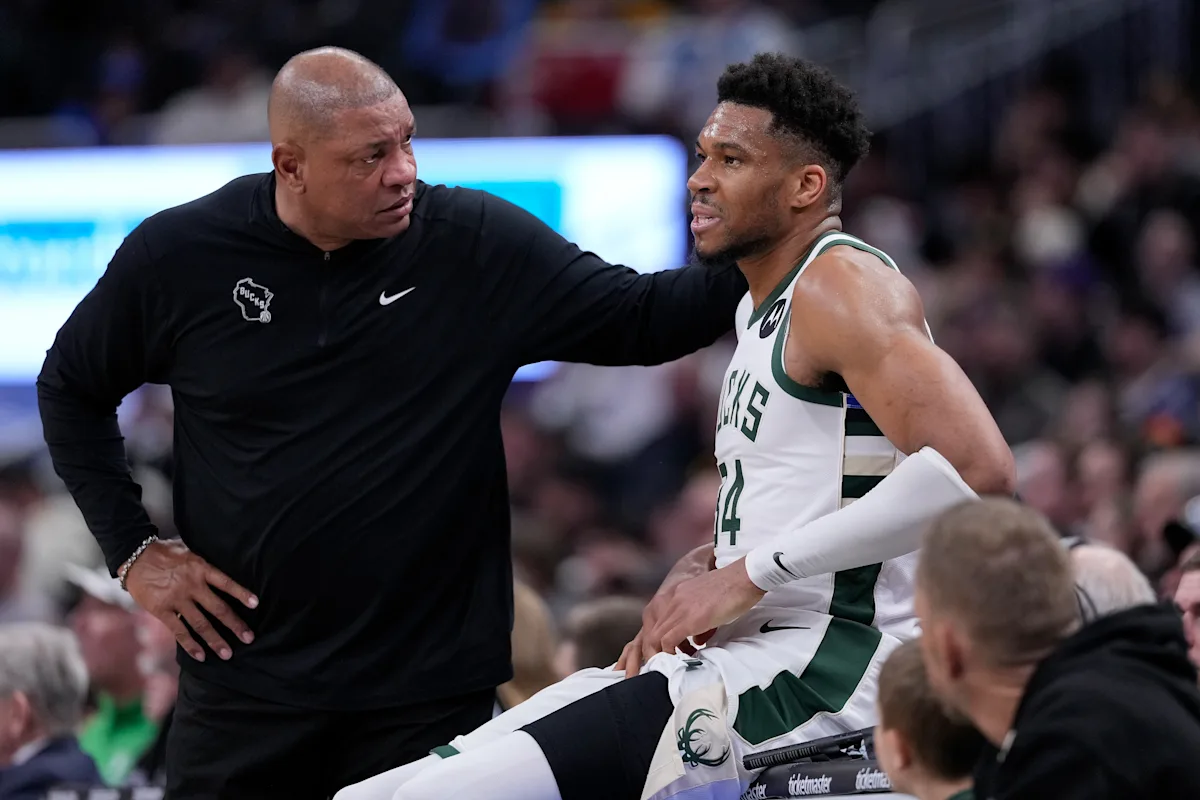
Bucks head coach Doc Rivers responded to the NBPA’s claims, assuring that the team’s decision to keep Giannis out was based solely on his health status. “He’s not [healthy]. He’s progressing. He’s just not healthy,” Rivers stated, adding that the team’s focus was on getting Giannis back to full health rather than any draft implications.
The Injury and Its Implications
Antetokounmpo’s injury diagnosis involved no ligament damage, but the hyperextension and bone bruise led to a recommendation for him to remain off the court for at least a week. With Milwaukee’s poor performance, it raised questions not only about the player’s health but also about the team’s overall strategy. In Giannis’s 36 appearances during the season, the Bucks’ record stood at 17-19. Without him, they struggled significantly, compiling a 12-24 record.
This scenario puts the Bucks in a precarious position as they currently hold a 29-43 record, placing them near the bottom of the league and virtually eliminating any chance of postseason play. Such a situation leaves the franchise with a 17.3% likelihood of landing a top-four pick in the upcoming 2026 NBA Draft Lottery — an enticing prospect that could shape the future of the organization.
Analyzed Strategies: The Bucks’ Dilemma
As the Bucks navigate this challenging landscape, they face a crucial decision—whether to risk Giannis’s health for potential immediate success or protect their star player, even if it incurs further losses. The strategic implications are profound:
- Risk of Worsening Injury: Rushing Giannis back onto the court could expose him to further injury, diminishing his trade value and the team’s competitive chances in the long run.
- Impact on Future Draft Picks: Given the Bucks’ current standings, losing games could yield better prospects in the forthcoming draft—a route that some team management might favor over short-term success.
The juxtaposition of Giannis’s health, potential draft implications, and the Bucks’ waning season performance presents a complex calculus that weighs the present against future opportunities.
Leadership Responses: Coach and Player Perspectives
Coach Rivers maintained his focus on Giannis’s health, asserting that discussions surrounding tanking were secondary to the team’s priority. “We’re just trying to get Giannis cleared and healthy; that’s our only focus,” he emphasized. This statement highlights the team’s commitment to prioritizing players over standings, even in the context of significant external pressures.
Giannis himself, known for his passion and drive, expressed disappointment about missing games but remained optimistic about returning to the court when healthy. “For me, every game is worth it. I appreciate just being out there,” he stated, solidifying his dedication to performing despite the prevailing conditions.
Broader Implications in the League
The NBPA’s allegations represent a larger problem within the NBA: the ethical debates about tanking and its ramifications on both player welfare and the integrity of the game. NBA Commissioner Adam Silver noted the importance of addressing such issues, acknowledging that player participation policies aim to ensure accountability.
“The Player Participation Policy was designed to hold teams accountable and ensure that when an All-Star like Giannis Antetokounmpo is healthy and ready to play, he is on the court,” said a statement from the NBPA. This sentiment demonstrates a collective effort to safeguard player interests against the backdrop of organizational strategies aimed at optimizing team rosters.
Potential Outcomes for the Bucks
As the Bucks approach the conclusion of the season, key questions remain unanswered:
- Will Giannis return to play before the season ends?
- How will the Bucks navigate their draft positioning?
- What does the future hold for Giannis, especially regarding his contract extension eligibility?
With each passing game, the stakes continue to rise. Current projections offer the Bucks virtually zero chance of qualifying for the postseason, thus leading them to contemplate their strategies for the future.
Conclusion: Navigating Complex Waters
The saga surrounding Giannis and the Milwaukee Bucks is emblematic of the challenges faced by professional sports organizations. Adhering to the team’s competitive integrity while safeguarding player health remains a tightrope walk, often exacerbated by the fervent desires of fans and stakeholders.
Ultimately, as the organization wrestles with these multifaceted dilemmas, the future could go in two distinct directions. The Bucks could either emerge rejuvenated with a promising draft class or risk losing their star player if they fail to address both current and upcoming challenges effectively.
As the season draws to a close, all eyes will remain on the Bucks, Giannis’s health status, and the decisions that will shape the franchise’s trajectory for years to come.