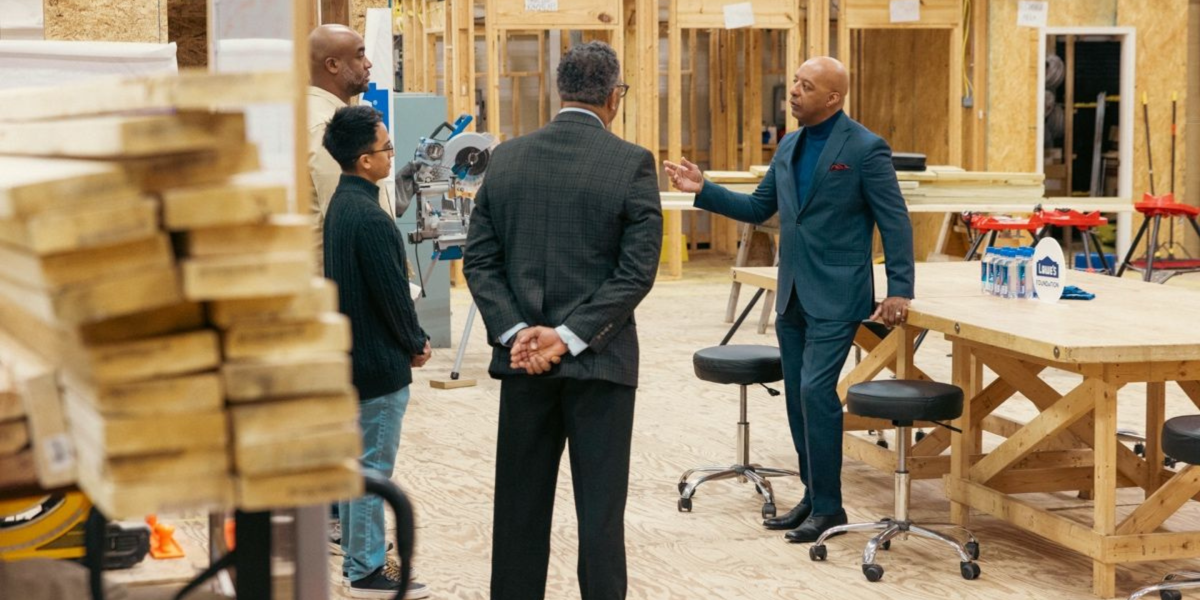
In today’s rapidly evolving job market, a seismic shift is underway, challenging the traditional notion that a four-year college degree is the golden ticket to success. For decades, young adults have been steered towards white-collar professions, often in fields such as technology and administration, with the promise that higher education would yield prosperity. However, as advancements in artificial intelligence (AI) begin to disrupt these career paths, a new narrative is emerging: skilled trades are not just viable alternatives, but possibly the most resilient and rewarding paths to stable, well-paying work. A leading player in this movement, Lowe’s, has recognized this critical transition and is taking substantial steps to ensure the future of skilled trades.
Understanding the Current Economic Landscape
The economic conditions surrounding job markets are more volatile than ever, influenced by technological changes and demographic shifts. The COVID-19 pandemic accelerated the adoption of AI and automation, placing many traditional white-collar jobs at risk. According to recent studies, nearly 85 million jobs worldwide may be displaced by the shift to automation, but this also creates new opportunities in skilled trades—fields that AI cannot easily infiltrate. For instance, as Lowe’s CEO Marvin Ellison recently noted, while AI can perform many tasks, it cannot replace the expertise of tradespeople who provide hands-on solutions, such as plumbing, carpentry, and electrical work.
The Skilled Trades: An Essential Economic Component
The increasing importance of skilled trades can be contextualized within a troubling forecast: the Associated Builders and Contractors (ABC) report indicates that the U.S. will need approximately 350,000 additional workers by 2026 to meet construction demand, a number that escalates to 456,000 in 2027. Electricians, plumbers, and carpenters are among the professionals facing significant shortages due to the growing demand.
- 350,000 – 2026: Labor gap in construction services
- 456,000 – 2027: Anticipated increase in labor demand
These figures highlight the urgent need for training and apprenticeship programs that can equip the younger generation with the necessary skills. Lowe’s commitment of $250 million over the next decade to train 250,000 skilled trade workers is a significant step towards closing this gap.
A Closer Look at Lowe’s Investment in Skilled Trades
Lowe’s decision to invest heavily in skilled trades stems from a deeply personal philosophy shared by CEO Marvin Ellison. Growing up in a working-class community in Brownsville, Tennessee, Ellison witnessed the challenges faced by tradespeople, often overlooked in favor of more conventional career paths. His commitment to elevating the skilled trades is not just about filling a labor gap; it’s about changing the perception of these careers as noble paths toward the American Dream.
The Importance of Perception: Changing Mindsets
As Ellison emphasized, the skilled trades should not be seen as backup plans but as equally respectable options for achieving success and financial stability. Many of his colleagues at Lowe’s are now encouraging their children to pursue vocational training instead of traditional four-year degrees, as the financial landscape surrounding higher education continues to shift. With student debt surpassing $1.7 trillion in the U.S., this shift toward direct entry into the skilled trades comes as a welcome alternative.
Why Skilled Trades? The Value Proposition
There are numerous reasons why entering the skilled trades could be an attractive option:
- High Earning Potential: Many skilled trades offer competitive salaries, often comparable to or exceeding those of college graduates.
- Less Debt: Training programs often have lower costs than traditional college degrees, reducing the burden of student loans.
- Job Security: The unique, hands-on nature of skilled trades makes them less susceptible to automation.
- Control Over Career Path: Many tradespeople have the option to go into business for themselves, offering a direct route to entrepreneurship.
Macro and Micro Implications of the Shift
The implications of this shift will be felt across various sectors of the economy. On a macroeconomic level, an increase in skilled trades personnel could lead to lower unemployment rates and potentially higher wages for those in these fields. Industries like construction, HVAC, and electrical services will benefit from a more skilled workforce, driving economic growth.
Impact on Inflation and Interest Rates
As the labor market in skilled trades tightens, wages are likely to increase, contributing to inflationary pressures. Higher wages in the skilled trades could see a ripple effect across other sectors as businesses compete for talent. In turn, this could influence interest rates, prompting the Federal Reserve to adjust monetary policy. A tightening job market could lead to rising interest rates, which has various implications, from consumer credit card rates to mortgage rates.
The Consumer Landscape: A Shifting Perspective
Consumers may begin to see the value in skilled trades through the lens of availability. High demand, combined with rising labor costs, may lead to increased prices for services. This scenario poses both challenges and opportunities for consumers and investors:
- For Consumers: As service prices climb, households may feel the pinch. However, they also benefit from higher quality work from experienced tradespeople.
- For Investors: Opportunities to invest in education and training programs for skilled trades may arise, paving the way for new business models centered on workforce development.
Opportunities and Risks in the Emerging Labor Market
The convergence of technology and skilled trades presents both opportunities and challenges for today’s job seekers.
Opportunities for Growth
Driven by a growing recognition of the value of skilled labor, various organizations and corporations are investing in programs to train tradespeople. Major firms like BlackRock, who recently announced a $100 million investment to foster skilled trades education, are setting a precedent.
Google’s collaboration with the Electrical Training Alliance further exemplifies this trend, creating pathways for individuals to enter the electrical workforce. These initiatives broaden the scope of opportunity significantly and can mitigate the future labor shortfall.
Potential Risks
Despite these promising developments, significant risks remain. A sudden influx of new workers into skilled trades could inadvertently lead to a saturation of the job market, suppressing wages. Furthermore, the resources for training must be carefully managed to ensure quality and efficacy.
Long-Term Sustainability
The sustainability of a growing skilled labor force depends on a committed societal attitude change. Making skilled trades a respected career choice will involve reassessing educational frameworks and encouraging vocational programs at the high school level. This reassessment could play a significant role in shaping the future workforce.
Future Perspectives: Looking Ahead
As we look ahead, the future of skilled trades is anchored in an evolving economic landscape where technology and hands-on labor coexist. This creates a unique set of dualities; the old paradigm of success via college education is being challenged by the promising horizon of vocational careers.
Future generations face the opportunity to redefine success based on individual skills, interests, and the demand of the labor market. The emphasis on skilled trades—especially in an era increasingly affected by AI—aligns well with the pragmatic realities of today’s world. As Ellison points out, these trades are not merely fallback options but pathways to creating significant wealth and leading fulfilling lives.
Ultimately, the transition that Lowe’s and others are championing is about more than filling jobs; it’s about reshaping the workforce landscape in the United States. The broader implications for interest rates, the economy, and personal finance are significant and ongoing. By investing in skilled trades now, we lay the groundwork for a more balanced and equitable economic future for all.