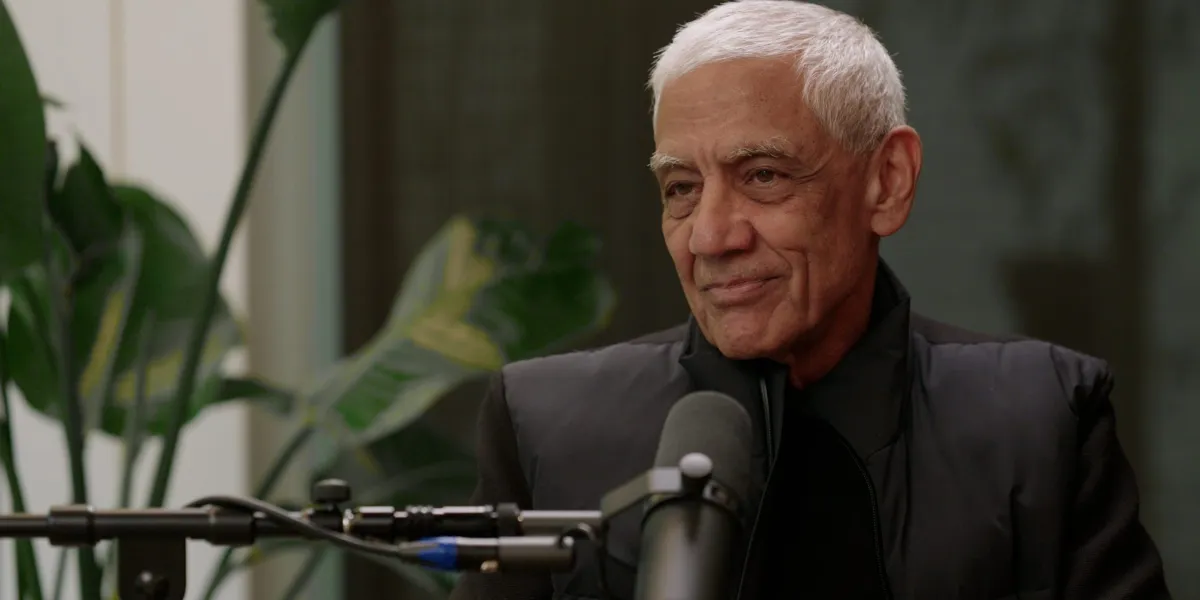
In recent discussions surrounding **economic reform**, the intersection of technology and taxation has taken center stage, particularly with the insights shared by billionaire investor Vinod Khosla and the tech leader OpenAI. Both advocates promote a radical transformation of the U.S. tax system in response to the sweeping changes brought about by artificial intelligence (AI). This convergence of ideas raises questions about the future of work, the adequacy of the current tax code, and the impending need for policy adaptation in an increasingly automated world.
Current Economic Context
The U.S. economy is facing multiple challenges, from rising inflation to shifting labor markets as technology progresses. As traditional forms of employment are replaced by AI-driven solutions, there is an urgent need for comprehensive **tax** and economic reform to ensure social stability and equitable growth. The views expressed by Khosla and OpenAI’s recent policy paper outline a significant course correction necessary to address these looming challenges.
Understanding Khosla’s Proposal
During March’s interview with Fortune, Khosla proposed eliminating federal income taxes for Americans earning less than $100,000 while effectively modifying the capital gains tax structure. His logic emphasizes that nearly 40% of capital gains taxes are borne by individuals earning above $10 million. Thus, Khosla argues, it is feasible to offset losses by taxing wealth more aggressively without burdening the middle class. He envisioned a flat tax system where all income types—wages and capital gains—are taxed at identical rates.
The OpenAI Perspective
OpenAI’s recent policy publication, illuminating the pressing need for **Industrial Policy for the Intelligence Age**, complements Khosla’s vision. OpenAI argues for a shift in tax responsibility from labor income to corporate and capital gains. The proposal also introduces the concept of a “robot tax,” aiming to share the economic gains achieved through automation, thus enabling a more equitable distribution of wealth in a rapidly changing economy.
Macro and Micro Implications
The proposals from Khosla and OpenAI significantly impact various economic layers and have notable macroeconomic ramifications:
- Labor Markets: As AI technology becomes increasingly capable, the pressure on the **job market** will intensify. Predictions suggest that up to 80% of current jobs could be automated by 2030, leading to substantial displacement and a need for retraining and reskilling programs.
- Social Safety Nets: The traditional social safety net established by payroll taxes, funding critical programs such as Social Security and Medicare, faces potential collapse. Transitioning to a capital-based tax system would be essential to maintain funding.
- Inflation Trends: As tax systems adapt and social safety nets seek to stabilize displaced individuals, **inflation** may be driven by changes in consumer behavior and spending patterns.
Data and Statistics
Recent studies highlight the accelerating pace of job displacement due to AI:
- Goldman Sachs estimates that AI technology currently eliminates around 16,000 jobs monthly.
- By 2030, the World Economic Forum predicts that over 85 million jobs may be gone due to AI.
- The **inflation rate** climbed to around 7.9% in the U.S. in the wake of pandemic-related economic disruptions, necessitating a responsive fiscal policy approach.
Impact on Sectors, Markets, and Investors
The convergence of Khosla’s ideas and OpenAI’s policies has far-reaching implications:
Shifts in Investment Strategies
Investors should brace themselves for significant market volatility as tech-driven policies come into play:
- Equities: Companies heavily invested in AI may see growth prospects expand, but increased taxes on capital gains could temper investor enthusiasm short-term.
- Real Estate: Changes in taxation could have ramifications for property values and rental markets, particularly in high-demand areas.
- Cryptocurrency: Regulatory frameworks are likely to adapt to include taxation on digital assets, affecting investor incentives.
Potential Risks and Opportunities
With these proposals, both risks and opportunities are apparent:
- Opportunities:
- **Investment in AI technologies** could yield high returns as businesses strive to remain competitive.
- **Diversification strategies** will be crucial, as sectors will react differently to tax changes.
- Risks:
- Policy uncertainty could dampen sentiment in investment markets.
- Potential backlash from the public and lawmakers against drastic tax changes could stall critical reforms.
Conclusion: Future Perspectives
As the conversation about **tax reform** in the age of AI continues to evolve, it’s clear that both Vinod Khosla’s vision and OpenAI’s proposals are paving the way for transformative economic changes. As societal structures face upheaval rooted in technological advancement, policymakers at all levels must act swiftly to ensure stability. The question remains: will Congress adapt fast enough to counterbalance these advancements and safeguard the future workforce? Only time will tell whether these collaborative efforts will fulfill their promises or succumb to political inertia, but the urgency for action has never been more pronounced.