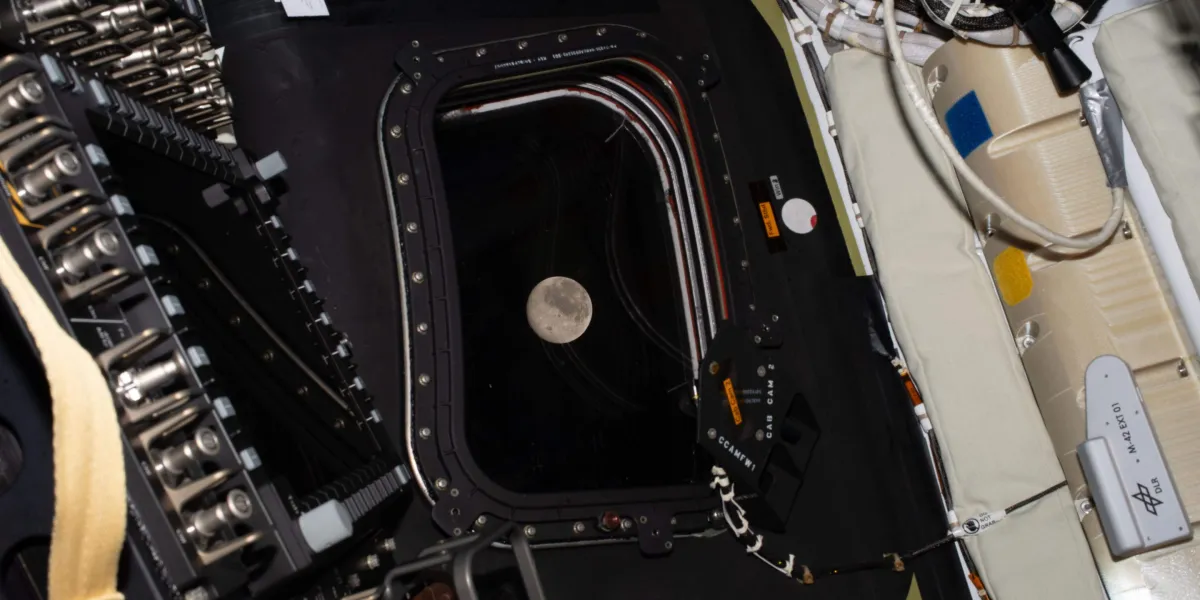
The recent Artemis II lunar flyby marks a significant milestone in the continuum of space exploration, not only for NASA but for humanity’s quest to explore beyond Earth. As the Artemis II astronauts achieved a record distance from Earth, surpassing the previous record set by Apollo 13 with breathtaking views of the Moon’s far side, a cascade of implications reverberates throughout various sectors, from science to economics. This article delves deep into the context, analysis, implications, and potential outcomes of this event, providing a comprehensive look at how such monumental missions can impact our world today and in the near future.
Current Economic Context and Space Exploration
Before diving into the details of the Artemis II mission, it is crucial to contextualize it within the current economic landscape. As nations prioritize technological advancements, the **space sector** has emerged as a significant area for investment. Government and private sector partnerships are increasingly focusing on space exploration, aiming not only to expand human knowledge but also to stimulate economic growth.
Growing Space Economy
By 2022, the global space economy was estimated to be worth over **$400 billion** and is projected to grow exponentially in the coming years. This growth can be attributed to:
- The rise of **private companies** like SpaceX and Blue Origin.
- Increased government funding for space missions.
- Emerging technologies in satellite communication, Earth observation, and space tourism.
These developments have profound implications for **investment opportunities**, attracting attention from various stakeholders, including those in **personal finance** and **investment advice** circles.
Artemis II: A Historic Milestone in Lunar Exploration
The Artemis II mission represents NASA’s first significant return to lunar exploration since the Apollo program. Launched with the goal of reaching the Moon’s south pole, this mission offers a unique opportunity to analyze geological formations and gather valuable data.
Breaking Records and Making History
Just under an hour into their journey, the Artemis II astronauts surpassed the long-standing **Apollo 13** distance record of **248,655 miles (400,171 kilometers)**, ultimately expected to exceed by more than **4,100 miles (6,600 kilometers)**. This achievement emphasizes not only technological advancements in spacecraft design but also recalls the historical context of human spaceflight.
The Human Element: Emotions and Expressions
As the astronauts embarked on this historic journey, they were visibly moved, with emotional moments shared among the crew, such as when they proposed naming newly observed lunar craters. Such human elements contribute to public interest and engagement, which is vital for funding future missions.
Implications for the Economy and Investment Sectors
The successful execution and public interest surrounding Artemis II have various implications across economic landscapes, including:
- Impacts on Technological Innovation: The advancements made during this mission could lead to breakthroughs in **satellite technology**, **telecommunications**, and **data processing**.
- Influential Shift in Funding: The enthusiasm garnered by Artemis II could lead to increased government and private funding, paving the way for **investment advice** pointing towards space technology companies.
- Educational Opportunities: Educational institutions may create new programs focused on **aerospace engineering** and **planetary sciences**, which could reshape the workforce.
Quantitative Analysis: Shaping the Future
To assess the economic impact of Artemis II analytically, let’s examine expected growth in ancillary sectors:
| Sector | Current Value | Projected Growth (2026) |
|---|---|---|
| Space Technology | $175 billion | +25% |
| Satellite Communications | $90 billion | +32% |
| Research and Development | $55 billion | +20% |
Opportunities and Risks Following Artemis II
With any groundbreaking mission comes both opportunities and risks. Understanding these is vital for stakeholders, including **investors** and those seeking **financial planning** advice.
Opportunities in Investment
- Startups and SMEs: The Artemis II mission can inspire investments in small and medium enterprises focusing on space and satellite technologies.
- Educational Institutions: Universities may see increased funding and student enrollment in aerospace-related fields, providing long-term returns.
- Public-Private Partnerships: More private companies could partner with NASA, leading to innovative solutions and significant financial returns.
Risks to Consider
- High Dependency on Government Funding: Financial instability or shifting political priorities could impact future missions.
- Technological Failures: Missions are inherently risky; failures could lead to significant financial losses and decreased public interest.
- Market Volatility: With the space sector becoming increasingly attractive for investors, fluctuations could lead to instability.
The Broader Impact on Inflation and Interest Rates
What does this mean for **inflation rates** and **interest rates**? The current climate indicates that sustained investment in research and technology could influence inflation indirectly by driving job creation and productivity in the long term.
How Space Missions Impact Inflation
Investment in space and technology sectors generally leads to increased productivity and efficiency, which can help to mitigate inflationary pressures in the broader economy.
Potential Effects on Interest Rates
As technological advances drive economic growth, the Federal Reserve may tighten or loosen interest rates accordingly. If the Artemis II mission fosters accelerated innovation, we could see a positive shift in economic indicators, which might stabilize or lower **interest rates** in the future.
Conclusion and Future Perspectives
NASA’s Artemis II mission has re-engaged public interest in space exploration and established a template for future lunar missions. The implications span across various sectors, ushering in new business opportunities and reshaping economic landscapes. The infusion of technology, investment, and emotional humanness into this narrative allows us to envision a future where space exploration is intertwined with everyday economic activities.
As we look forward to upcoming missions like Artemis III and beyond, the discussion surrounding their economic impact will only grow more pertinent. Investors should remain vigilant, adapting their strategies to these changing landscapes while also recognizing the profound implications that space exploration has on the human experience.