The 65-Game Rule: A New Era in NBA Player Eligibility and Its Implications
Introduction
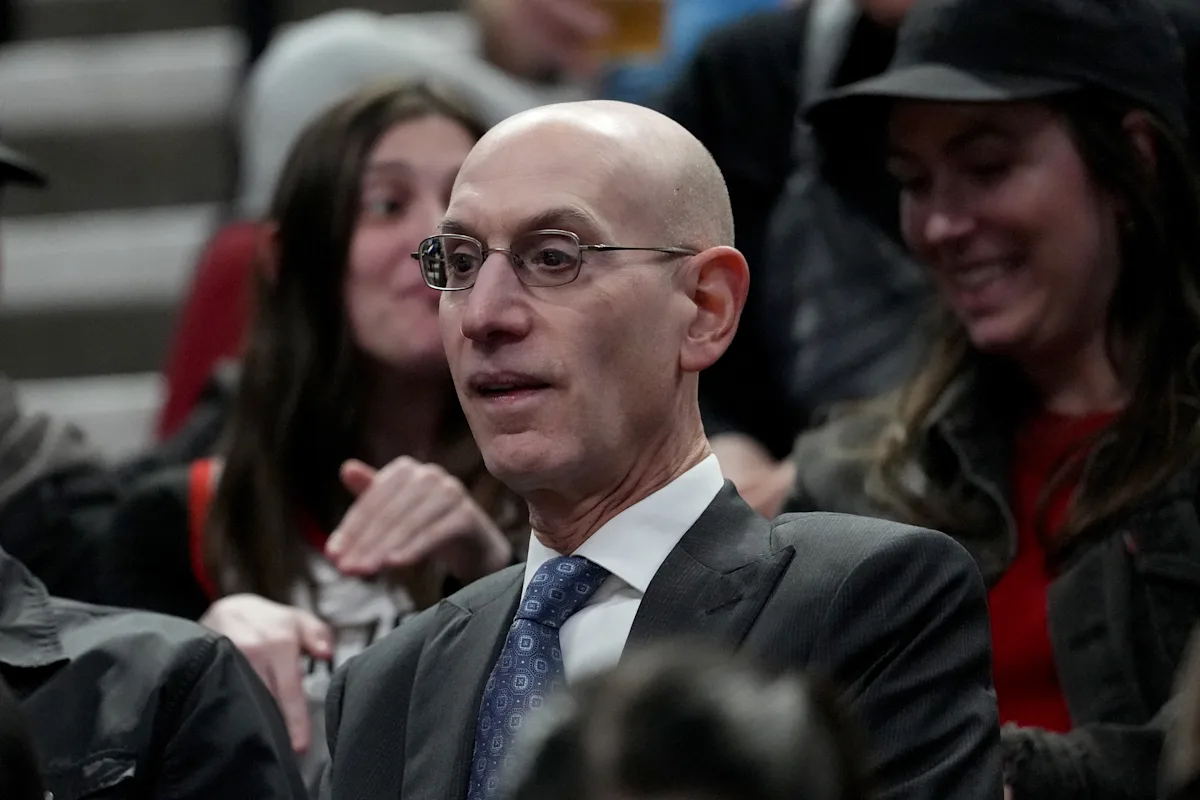
The NBA has always been a league where talent shines, but the ongoing debate around player participation, load management, and awards eligibility has garnered significant attention. This season, the introduction of the 65-game rule has made headlines, causing ripples in how players are evaluated for major honors like the MVP, All-NBA, and Defensive Player of the Year. NBA Commissioner Adam Silver recently endorsed this controversial rule, igniting discussions among fans, players, and analysts alike.
The Rationale Behind the 65-Game Rule
In a bid to elevate the level of competition and ensure that players are consistently participating in games, the NBA implemented the 65-game rule for the 2023-24 season. Commissioner Silver emphasized that the goal of the rule is twofold: to curb the prevalent practice of load management and to encourage more players to take part in as many games as possible. Load management—where players rest throughout the season for health and performance concerns—has led to significant discontent among fans who pay good money to watch their favorite stars perform.
Silver’s stance is that the rule is providing structure and accountability within the league. However, he also acknowledged the voices of criticism, particularly surrounding its rigid nature.
The Critics Speak: The Case of Cade Cunningham
One of the most notable instances highlighting the need for examination of this rule is the case of Cade Cunningham, a young and rising star for the Detroit Pistons. Following an unfortunate injury that limited his participation to 61 games, Cunningham finds himself in a precarious position concerning postseason award eligibility. The National Basketball Players Association (NBPA) officially expressed its concerns over Cunningham’s situation, calling the 65-game threshold an arbitrary and overly rigid quota.
Cunningham’s agent, Jeff Schwartz, argued vigorously for an exception, offering a compelling narrative about how exceptional performances should not be overshadowed by injuries. “Cade has delivered a first-team All-NBA season,” Schwartz remarked. “If he falls just short of an arbitrary games-played threshold due to a legitimate injury, it should not disqualify him from recognition he has clearly earned.” This argument encapsulates the crux of the debate: should awards be strictly bound by statistical measures like games played, or should context (like injury) take precedence?
The Unintended Consequences of the 65-Game Rule
While the intention behind the 65-game rule aims to foster greater participation among players, it may inadvertently put immense pressure on athletes to meet these thresholds. For example, players may feel compelled to participate in games even if they are not fully fit, fearing that even a minor injury could affect their eligibility for awards. This pressure can lead to a “play through injury” culture, which poses long-term health risks for players.
Moreover, prominent figures in the league, including coaches like J.B. Bickerstaff of the Pistons and Steve Kerr of the Golden State Warriors, have voiced concerns about the implications of the rule. Bickerstaff noted that players should not feel pressured to compete if they are injured, echoing sentiments that the health of players should always come first.
Potential Alternatives and Adjustments
Given the ongoing debates and the fears that have emerged from the 65-game rule, it may be time for the NBA to reconsider its stringent criteria. Numerous alternatives could be put on the table, such as implementing a weighted system that allows for exceptions based on circumstances like significant injuries.
If a player, like Cunningham, has a career month leading to an injury, then their performance before the injury could be taken into account to determine eligibility. This would ensure that valuable contributions aren’t overlooked simply because of a games-played statistic. Additionally, team balance could be considered, where awards reflect not only individual merit but the context of the player’s performance relative to their team’s success.
The Bigger Picture: The NBA’s Future Direction
The league’s commitment to reform and adaptation is essential to maintaining its reputation and integrity. As Adam Silver pointed out, “It is working,” but continuous evaluation will be crucial in ensuring that the rules reflect fairness and the spirit of competition. Most players will likely support reforms that honor their achievements while still prioritizing their health and longevity in the league.
A Broader Discussion: Load Management in the NBA
To contextualize the significance of the 65-game rule, it is helpful to examine the phenomenon of load management within the NBA. As the league evolves into a more strategic environment, teams often prioritize long-term player health over short-term gains. While this approach may prove beneficial in the long run, it raises questions about the authenticity of competition.
Fans want to see their favorite players, and when stars sit out, it often leads to frustration and skepticism about the integrity of the game. Therefore, the NBA must strike a balance between the welfare of players and the expectation of fans.
Possible Ramifications for Players and Teams
The ramifications of the 65-game rule extend beyond just individual awards. Teams that rely heavily on a star player facing an injury could find themselves in a precarious position near the end of the season. Such a scenario could impact playoff seeding, roster strategies, and ultimately, team success.
Looking ahead, teams must evaluate their strategies in drafting and managing their rosters, considering not just the players’ skill levels, but also their durability and overall health. A focus on players with a history of consistent performance may influence team dynamics and roster-building philosophies in the years to come.
The League’s Response to Tanking Concerns
In addition to discussing the 65-game rule, Commissioner Silver also touched upon ongoing concerns about tanking within the league. This term refers to situations where teams intentionally underperform, often to secure a better draft position. Addressing these concerns is essential for maintaining competitive integrity and fan interest.
Different strategies could be employed, such as revamping the draft lottery system or introducing incentives for teams to compete more vigorously. These efforts could mitigate the incentives for tanking while fostering a more competitive environment across the league.
Conclusion
As the NBA navigates its 65-game rule and the complex landscape surrounding player eligibility, it is clear that the future of the league rests on its ability to adapt to the evolving needs of players, teams, and fans. The core of professional sports, especially in a high-stakes environment like the NBA, is not just about wins and losses but also about recognizing talent, hard work, and dedication while prioritizing the players’ long-term health.
The conversations fostered by this rule will undoubtedly continue, driving dialogue that may lead to innovations in how the league recognizes excellence on the court. As the 2023-24 season unfolds, all eyes will be on how the rule impacts player participation and the broader discussions surrounding player welfare, awards eligibility, and the integrity of competition.
Final Thoughts
The coming months will be critical for the NBA as it faces both internal and external scrutiny regarding its policies. Singular cases like Cade Cunningham’s can shed light on broader trends, but it will take a collective effort from players, teams, and the league to strike an optimal balance that will satisfy all stakeholders involved. The future holds promise, but it will require understanding, flexibility, and a commitment to the essence of basketball itself: competition, excellence, and respect for the players who deliver it.