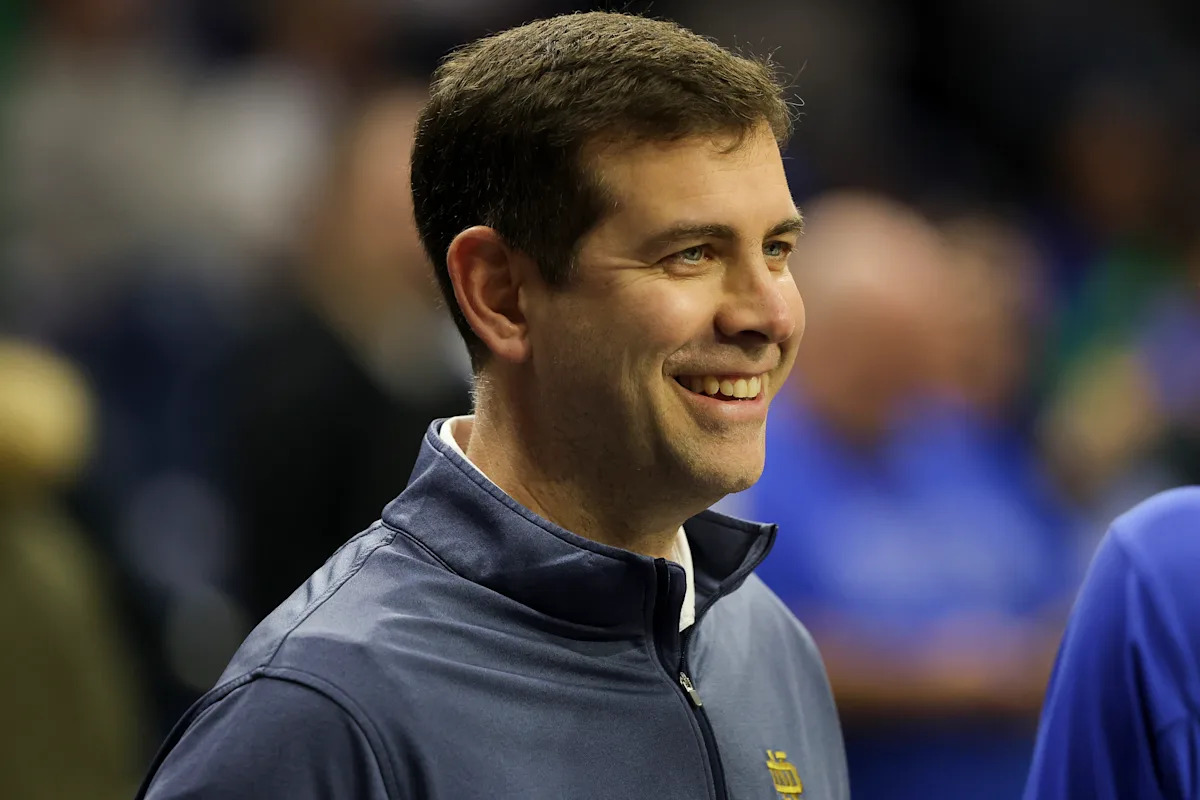
The Near Miss: Brad Stevens and the North Carolina Coaching Vacancy
The coaching carousel in NCAA basketball is a yearly spectacle, making headlines and stirring emotions among fans and alumni. The recent firing of Hubert Davis from the University of North Carolina (UNC) has once again thrust the spotlight onto potential candidates for one of the most prestigious coaching positions in college basketball. In the midst of speculation surrounding his name is Brad Stevens, the former Butler and current Boston Celtics mastermind, who has made it clear that he has no plans to leave his post in Boston.
Hubert Davis: A Brief Overview
Hubert Davis’s tenure at UNC has been a rollercoaster ride. After taking the reins as head coach in 2021, he aimed to uphold the storied tradition of Tar Heel basketball. However, mixed results, particularly in the 2023-2024 season, led to mounting criticism and ultimately, his dismissal. This wasn’t just a silent firing; it sent ripples through the college basketball community, raising questions about the future direction of one of its blue-blood programs.
UNC’s history is rife with coaching legends. Davis aimed to add his name to that illustrious roster but now must step aside, leaving a vacancy that many believe should be filled by someone with a proven track record. With many speculating about the next head coach, Stevens’s name surfaced as a potential candidate, given his significant impact in college basketball and allegiance to his Indiana roots.
Brad Stevens: A Coaching Prodigy
Born and raised in Zionsville, Indiana, Brad Stevens made a name for himself as the head coach of Butler University from 2007 to 2013. During this period, he led the Bulldogs to two consecutive NCAA Final Four appearances, showcasing a remarkable ability to maximize the talents of his players. Despite experiencing heartbreak in the 2010 NCAA championship game—when a half-court shot from Gordon Hayward clanged off the rim—Stevens’s reputation quickly grew.
After his successful stint at Butler, he transitioned to the NBA as head coach of the Boston Celtics in 2013. In eight seasons primarily filled with ups and downs, Stevens compiled an impressive record of 354-282. He continuously guided the franchise to the playoffs, despite facing immense pressure in a fierce competitive environment.
Transition to Front Office
In a surprising turn of events in 2021, Stevens stepped aside from his coaching duties to take over as the Celtics’ president of basketball operations. This decision was influenced by a culmination of factors, including the need for fresh perspectives within the organization. With his deep understanding of the game, many assumed he’d have a significant impact on roster decisions and team strategy moving forward.
Since Stevens took on this new role, the Celtics have flourished. Under his leadership, they secured the NBA Finals title in 2024, propelling the franchise back to elite status in the league. The upcoming seasons promise substantial promise, particularly with the Celtics positioned as one of the top contenders in the Eastern Conference despite facing adversity like injuries to star player Jayson Tatum.
The North Carolina Connection: Speculation and Rumors
Given his background and achievements, it is no wonder Stevens’s name is floated during coaching searches at notable programs like North Carolina and Indiana, both of which are steeped in historical significance and boast intense fan bases. The speculation around Stevens has reignited discussions about the intersection of professional and college basketball.
The Decision: Staying in Boston
Despite the intriguing allure of returning to college coaching, especially at a school like UNC, Stevens has publicly declared that he is not interested in vacating his current role. According to CBS Sports, he removed his name from consideration for the head coaching position at UNC just as the speculation surged. This decision showcases his commitment to the Celtics and his robust vision for the franchise’s future.
The Landscape of College Basketball Coaching
Stevens’s decision to stay in Boston comes at a time when college basketball is experiencing significant changes and challenges. The NCAA landscape has shifted dramatically with the introduction of the transfer portal and NIL (Name, Image, and Likeness) rights, which have reshaped recruiting and player retention dynamics.
One can argue that Stevens’s absence from the college coaching ranks for over a decade has given him a unique perspective and may even benefit his decision to remain with the Celtics. His deep understanding of professional basketball allows him to navigate the complexities of an evolving landscape without stepping back into the college arena that has drastically changed since his coaching days at Butler.
What Lies Ahead for North Carolina?
As UNC looks to hire a new head coach, they are tasked with finding a candidate who can usher in a new era for a program with monumental expectations. The candidate they choose will have to contend not only with traditional challenges but also modern hurdles such as maintaining a competitive roster in the face of an evolving recruitment environment.
The coaching search will likely scrutinize candidates from a variety of backgrounds, focusing both on established coaches and up-and-comers. It will be essential to prioritize a leader who embodies the ethos of UNC basketball—effort, determination, and a commitment to excellence.
The Future of Brad Stevens and the Celtics
Brad Stevens’s position with the Celtics appears secure for now. A franchise that has historically been one of the most successful in NBA history is looking to not only return to glory but maintain its status within the league’s elite. With their current trajectory and Stevens at the helm, the Celtics are positioned well to compete for multiple championships in the coming years.
His unique perspective garnered from experiences both as a coach and an executive may allow him to influence player development and roster decisions effectively, ensuring sustained dividends for the franchise.
Conclusion
In summary, the firing of Hubert Davis has set off a wave of speculation regarding who will be next at the helm of North Carolina basketball. While names like Brad Stevens naturally emerge due to his coaching pedigree and connection to the Midwest, Stevens has firmly stated his commitment to the Boston Celtics. As North Carolina embarks on a new journey to find their next head coach, Brad Stevens will continue to mold the Celtics into a formidable force in the NBA. His refusal to return to college coaching while still holding immense talent and experience underscores a new chapter in his career—one where his focus remains on professional basketball and achieving greatness in the NBA.
As the Celtics strive to remain competitive, Stevens’s role in shaping the future of the franchise will be paramount. Meanwhile, the next chapter for UNC basketball remains unwritten, with the potential for someone new to emerge and possibly take the program back to its former glory. The dynamic world of basketball continues to evolve, making the next few years critical for both programs.