The Clash of “Iceman”: Caleb Williams and George Gervin
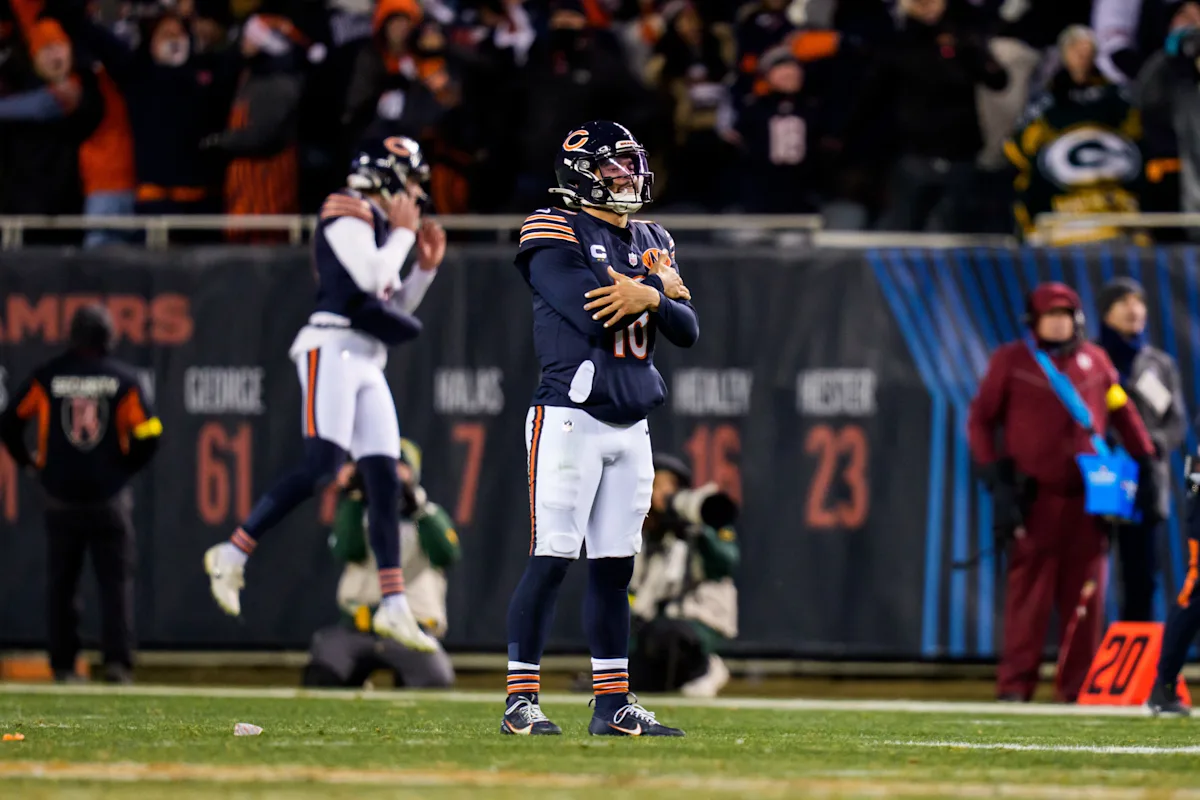
As the 2025 NFL season unfolded, Chicago Bears quarterback Caleb Williams emerged as one of the league’s most thrilling players, known for his ability to deliver jaw-dropping, game-winning performances, particularly in the fourth quarter. This propensity for clutch performances earned him the nickname “Iceman,” which became emblematic of his demeanor during high-pressure moments. However, this nickname is not new to the sports world; it was previously made famous by NBA Hall of Famer George Gervin.
Caleb Williams: Rising Star of the NFL
In 2025, Caleb Williams established himself as a top-tier quarterback, showcasing not just athletic skills but also remarkable poise under pressure. His late-game heroics turned him into a fan favorite and a pivotal asset for the Chicago Bears, guiding them to several victories that otherwise seemed out of reach. Fans and analysts alike began to notice his inclination towards performing best during the game’s most critical moments, leading to an avalanche of excitement surrounding his career.
In a sports landscape where drama often transitions into glorified labels, the nickname “Iceman” felt fitting for Williams. He was entering a new echelon of players capable of altering the course of a game within seconds. Even more intriguing was the fact that he sought to trademark this nickname, believing it could also serve as a brand for various merchandise and services.
George Gervin: The Original “Iceman”
Long before Caleb Williams took the NFL by storm, George Gervin was already making headlines in the NBA. Known for his smooth playing style, lethal scoring ability, and calm presence on the court, Gervin became synonymous with the nickname “Iceman.” His effortless gameplay had commentators coining phrases like “dropping 25 and not breaking a sweat,” a description that perfectly encapsulated his elegance on the court.
Earning accolades throughout his 14-season career, Gervin was not just a player; he was a basketball phenomenon. The 12-time All-Star and four-time scoring champion was also recognized as one of the league’s top 75 players during its anniversary celebration. Gervin’s contributions to the game have immortalized him as one of basketball’s greats, paving the way for future generations of players, including budding athletes like Williams.
A Trademark Tussle
When Williams filed for trademarks related to “Iceman” in March 2026, it initiated a series of events that would lead to a confrontation over the rights to the name. The company “Caleb Williams Holding, Inc.” submitted various trademarks that would allow Williams to brand his merchandise under this catchy moniker. However, Gervin’s camp quickly reacted, filing for trademarks of their own, asserting that the name had long been associated with the Hall of Famer.
The trademark battle highlighted a contrast in both players: one is a rising star making his mark, while the other is a legendary icon whose status in sports is already cemented. Gervin made it clear that while he respects Williams and his accomplishments, he considers the nickname “Iceman” to be his, asserting that “Young fella, we’ve already got one ‘Iceman.’”
The Business of Sports Nicknames
The battle over the name “Iceman” illustrates not just personal pride but the complexities surrounding the business side of sports. Athletes today are increasingly aware that their personal brands are integral to their careers, leading them to seek legal protections for synergistic branding opportunities. The comprehensive landscape of sports marketing means that even a nickname can be extremely lucrative when associated with merchandise, endorsements, and public appearances.
Given the commercial potential behind the trademark, both Williams and Gervin have significant stakes in the naming rights, making this conflict not just about a name, but about value, recognition, and legacy. Gervin’s late trademark registration was attributed to the “death of a business associate,” complicating the issue further. The scenario also raises questions of timing, creativity, and who truly owns the cultural lexicon within sports.
Legal and Ethical Implications
The legalities surrounding trademark disputes bring into focus questions about identity and ownership in modern sports. The “Iceman” label has implications that extend beyond mere branding; it represents the ethos and history associated with each athlete. Gervin’s legacy as “Iceman” was built over decades of excellence, while Williams is carving out a nascent identity that he wishes to define for himself.
As Gervin stated, “I’m really the ‘Iceman’ in sports.” His assertion isn’t merely a retort; it’s a call to acknowledge the lineage of names, honors, and traits that develop over time. The challenge now lies in navigating how hybrid identities can coexist, especially as younger athletes connect with and seek to redefine what it means to be an innovator.
The Future of “Iceman”
As the trademark dispute continues, both Gervin and Williams will likely have to prepare for a long and arduous process to resolve the matter amicably. While Gervin’s intentions to contest Williams’ claim demonstrate his commitment to preserving his legacy, it’s also an opportunity for both athletes to engage in a dialogue about the significance of their nicknames.
This situation could set a precedent for other athletes who wish to brand themselves using already-established monikers, potentially leading to more extensive discussions regarding ownership and rights in sport. The implications of trademarking names could affect many players in the future, as the fine line between homage and appropriation becomes more complex.
Conclusion: A New Era of Sports Branding
The unfolding saga between Caleb Williams and George Gervin sheds light on the evolving landscape of sports branding in the 21st century. Both players embody different eras and philosophies of success, yet they share a common ground in the pursuit of excellence. This transient inflection point of culture and commerce means that the way athletes market themselves is changing, prompting a mix of admiration and rivalry.
While Williams may end up securing the “Iceman” trademark, it will always come with the specter of Gervin’s legacy. Moving forward, the resolution of this incident may serve as a learning moment for younger athletes—demonstrating not just the power of a name, but the importance of respecting the history that precedes them. In sports, just as in life, history matters, and how we honor our past shapes the narratives we create for the future.