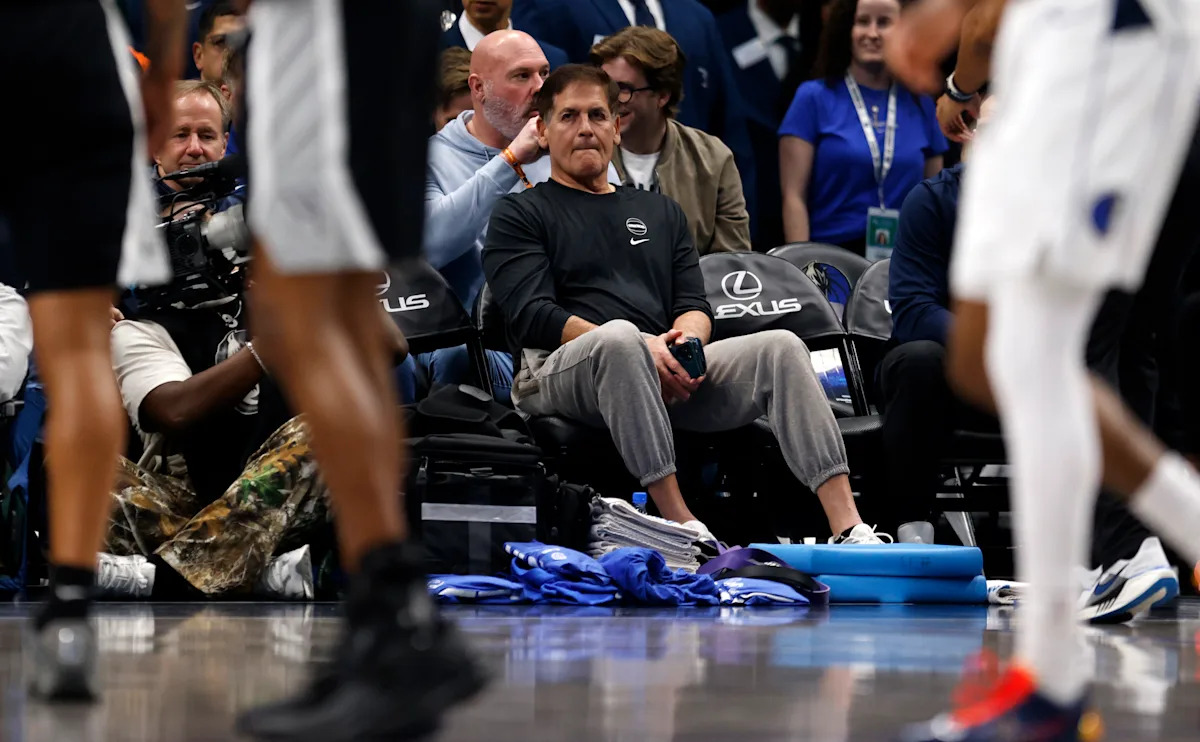
The Decision to Sell: Mark Cuban’s Maverick Journey
Mark Cuban, the entrepreneurial force behind the successful Dallas Mavericks franchise, recently shared insights about his emotional journey surrounding the sale of the team he owned and cherished. A polarizing figure in the sports world, Cuban’s impact on the Mavericks transcended mere ownership; his personality and business acumen revolutionized the franchise. However, a looming question remains: what does Cuban really think about the sale, and more importantly, who he sold it to?
The Background of Mark Cuban’s Ownership
Mark Cuban purchased the Dallas Mavericks in 2000 for approximately $285 million, a significant investment that was initially met with skepticism. However, Cuban’s unique approach quickly transformed the franchise into a winning machine. Under his leadership, the Mavericks basked in success, most notably clinching the NBA Championship in 2011 led by the superstar Dirk Nowitzki.
Not only did Cuban invest financially, but he also transformed the team’s culture. His high-profile presence turned the Mavericks into a franchise that fans could rally around. The Mavericks’ journey with Cuban showcased not just a rebranding effort but a commitment to winning that resonated with fans, employees, and players alike.
The Sale: A Major Transition
Fast forward to December 2023, and Cuban made the monumental decision to sell the majority stake of the Mavericks for around $3.5 billion to Miriam Adelson and her son-in-law, Patrick Dumont, who is also CEO of Las Vegas Sands. While his emotional attachment to the team may have suggested potential hesitation, Cuban emphasized on a recent podcast that he had no regrets about selling the team but harbored feelings of regret about the individuals to whom he sold it.
Cuban’s Reflections on Selling to Adelson
In a candid reveal, Cuban mentioned, “I regret who I sold to. I made a lot of mistakes in the process, and I’ll leave it at that.” This admission leaves plenty of room for speculation. What exactly made Cuban feel regret about this decision, and what implications could it have for the future of the Mavericks?
Impact of Poor Management Decisions
Following the transition in ownership, the Mavericks entered a tumultuous period that rattled fans and stakeholders alike. No sooner had the ink dried on the sales agreement than a significant shockwave rippled through the basketball community. In February 2025, less than a year after the sale, General Manager Nico Harrison made a controversial decision that altered the course of the franchise: he traded the team’s star player, Luka Dončić, to the Los Angeles Lakers. The backlash from this trade was swift and severe. Fans voiced their frustration, and Harrison’s tenure came quickly to an end.
The Ripple Effects of Leadership Changes
General Manager Harris’s dismissal was just the beginning of a series of missteps for the Dallas franchise. They traded Anthony Davis, who had been acquired in the deal for Dončić, which further muddied the waters surrounding the team’s strategy. Crucial talent was lost, and the team entered a dangerous cycle of poor performance. The Mavericks ended the season with a disappointing 24-50 record, having been eliminated from playoff contention for the second consecutive year.
What’s particularly alarming is that the trials and tribulations did not just stop at a subpar record. The franchise is still on the lookout for a permanent general manager to replace Harrison. Current team members Michael Finley and Matt Riccardi are holding the interim position, pointing towards a seemingly chaotic administrative structure.
Looking Towards the Future: The Need for Stability
The path forward for the Mavericks looks uncertain. Beyond replacing personnel, the franchise is also eyeing a transition to a new arena, aiming to vacate the American Airlines Center when its lease runs out in 2031. These ongoing changes are critical not just for short-term success but to anchor the franchise firmly in the NBA landscape for the long run.
The Weight of Ownership
Cuban has been open about expressing why he decided to sell the Mavericks. On the podcast, he described the “big emotional commitment” that came with owning a professional sports team. This emotional burden seemed to weigh heavily on him as the pressures of ownership mounted. He also noted, “I didn’t want that for them [his children]. It can be abusive, a lot.”
This perspective invites a deeper inquiry into the emotional landscape that surrounds sports ownership. The unwavering scrutiny, heavy expectations, and the sometimes unforgiving nature of fandom add layers of complexity to the role that most might overlook. Cuban created an arena where fans felt connected to him and the team, but with that connection came the potential for significant backlash during tough times.
Financial Implications and The Business Behind the Mavericks
Beyond the emotional element of ownership, the financial implications of Cuban’s decision to sell are extensive. A $3.5 billion valuation places the Mavericks among the most valuable franchises in sports—a testament to both Cuban’s management and the potential that the team holds in the future.
His decision to retain roughly 27% of the team after selling the majority stake reveals his continuous interest in the Mavericks. This partial ownership suggests an avenue for Cuban to remain involved in a capacity that grants him insight while alleviating some of the burdens that come with being the principal owner.
Lessons from Cuban’s Experience
Mark Cuban’s experience provides valuable lessons not just for aspiring team owners but for anyone involved in high-stakes business environments. His openness about regret, mistakes, and the emotional toll of ownership is a refreshing reminder that even successful entrepreneurs grapple with difficult decisions.
-
Define Your Legacy: Cuban’s desire not to impose the pressures of franchise ownership on his children highlights the importance of defining a legacy that resonates with personal ethics and family values rather than monetary gain.
-
Understand the Emotional Commitment: Recognizing the emotional landscape involved in any business venture can influence how decisions are made and how to navigate the complexities of public perception.
-
Choosing Partners Wisely: Cuban’s comment regarding regretting his choice of buyers underlines the importance of choosing the right partners in any business endeavor. The implications of partnership can have long-term ramifications on the trajectory of a brand or organization.
The Journey Continues
As the Dallas Mavericks attempt to navigate through this challenging period, Cuban’s reflections offer a roadmap for resilience and eventual recovery. Ownership in professional sports is not just a financial venture but a craft weighed down by emotional responsibility and public scrutiny.
While Cuban might not regret selling the Dallas Mavericks, his sentiment about the choice of buyers proves that every decision made at the top resonates throughout the entire organization. As the Mavericks continue on their path, one can only hope they find the stability necessary to rebuild into a championship contender once more, all while surrounded by the insightful guidance of figures like Mark Cuban.